Categories
Blogs

Why High Blood Sugar Damages Your Kidneys: The Diabetes-Kidney Connection Explained

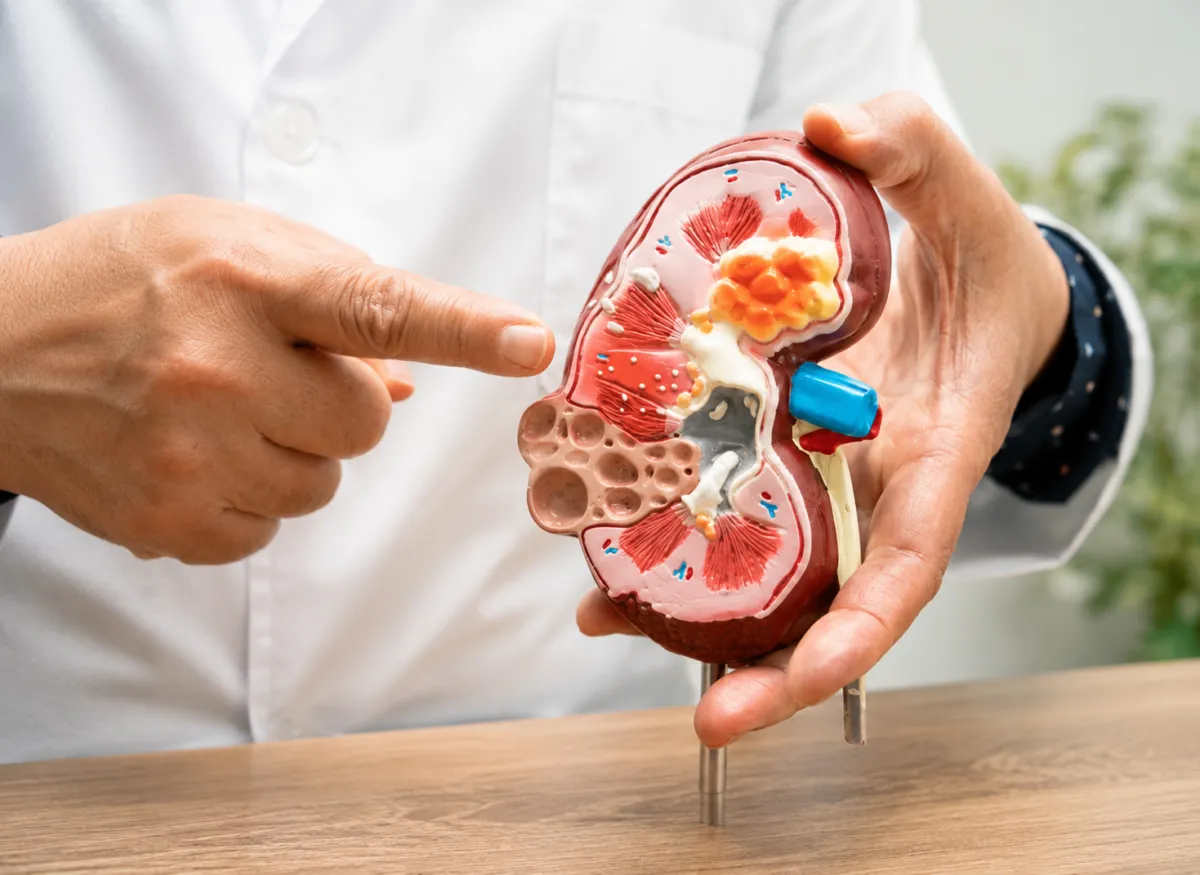
High blood sugar doesn’t only affect your blood glucose readings. Over time, it can also damage the tiny blood vessels and filtering structures inside your kidneys.

If you have diabetes, you may already know that uncontrolled blood sugar can affect your eyes, nerves and heart. But there is another organ that deserves just as much attention: Your kidneys.

Diabetes is an important risk factor for chronic kidney disease (CKD). When high blood glucose persists over time, it can place stress on the small blood vessels inside the kidneys and gradually affect their ability to filter your blood.

The process can be difficult to notice because early kidney damage may not cause obvious symptoms.

By the time swelling, fatigue or other symptoms appear, kidney function may already have declined. So, how exactly does high blood sugar cause kidney damage?

The process can be simplified as:

Persistent high blood sugar → blood vessel damage → stress on kidney filters → albumin leakage → declining kidney function → chronic kidney disease

In this article, Dietitian90 Consultancy explains the diabetes-kidney connection in simple terms, what happens inside your kidneys, the warning signs you should know, and how nutrition and diabetes management can help protect your kidney health.
How Do Your Kidneys Work

How Do Your Kidneys Work?

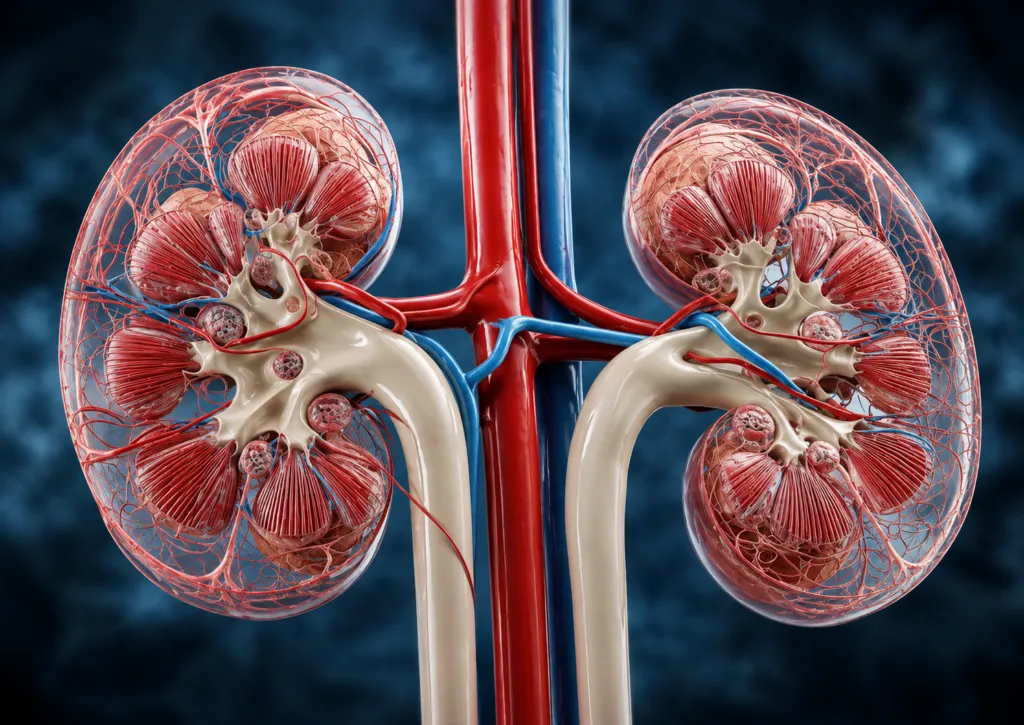
Before understanding how diabetes damages the kidneys, it helps to understand what your kidneys actually do.

You have two kidneys, located toward the back of your abdomen.

Their most familiar function is to filter your blood and remove waste through urine. But your kidneys do much more than that.

They help your body:

  • Remove waste products
  • Remove excess fluid
  • Maintain electrolyte balance
  • Regulate blood pressure
  • Maintain acid-base balance
  • Support red blood cell production
  • Maintain healthy bones and mineral balance


Inside each kidney are millions of microscopic filtering units called nephrons.

Each nephron contains a structure called the glomerulus, which acts as part of the kidney’s filtration system. You can think of the glomerulus as a very fine filter.

It allows certain substances to pass into the urine while retaining important components such as blood cells and most proteins in the bloodstream.

When diabetes damages this filtering system, substances that should remain in the blood — particularly albumin, an important blood protein — may begin leaking into the urine.

That can be one of the earliest measurable signs of kidney damage.

What Happens When Your Blood Sugar Stays High?

One high blood sugar reading does not mean your kidneys are being permanently damaged.

The concern is persistent or prolonged hyperglycaemia — when blood glucose remains above your individual target over an extended period.

When glucose levels remain high, several processes can contribute to damage in the small blood vessels and tissues of the kidneys.

In simple terms:

Step 1

Blood glucose remains high.

Step 2

The tiny blood vessels and kidney filtering structures are exposed to ongoing metabolic stress.

Step 3

The filtration system can become damaged or abnormally pressured.

Step 4

Albumin may begin leaking into the urine.

Step 5

Kidney function may gradually decline.

Step 6

Persistent kidney abnormalities can develop into chronic kidney disease.

This is why managing diabetes is not simply about achieving a “good sugar reading.”

It is also about protecting the organs that are exposed to the effects of diabetes over many years.
How Does High Blood Sugar Damage the Kidney Filters?

This is where the science becomes more interesting.

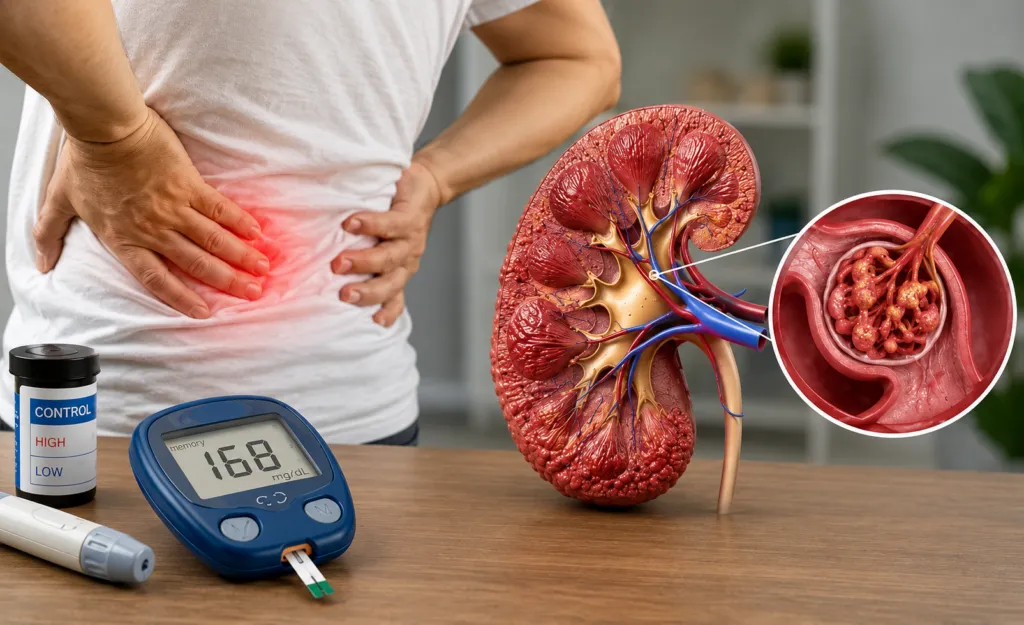
The kidney’s glomeruli contain a network of tiny blood vessels designed for filtration.

Persistent high blood glucose can contribute to changes in these blood vessels and surrounding kidney tissues.

Over time, the filtering barrier can become abnormal. The kidney may initially respond by increasing filtration. This is sometimes referred to as hyperfiltration.

At first, this may not feel like a problem.

You may have:

  • No pain
  • No swelling
  • No obvious change in urine
  • No noticeable kidney symptoms

But ongoing metabolic and haemodynamic stress can contribute to structural changes in the kidney.

These changes may eventually result in increased leakage of albumin into the urine and, in some people, a gradual decline in kidney function. This is one reason diabetic kidney disease can be a silent condition.

What Is Albuminuria?

One of the most important terms to understand is albuminuria.

Albumin is a protein found in your blood.

Healthy kidneys generally prevent significant amounts of albumin from passing into your urine. If the kidney’s filtration barrier becomes damaged, albumin can leak through. This is called albuminuria.

A commonly used test is the:

Urine Albumin-to-Creatinine Ratio (UACR)

A urine sample can be tested to determine whether albumin is present at an increased level.

This is important because:

You may have albuminuria before you experience obvious symptoms of kidney disease.

That makes urine testing an important part of monitoring kidney health in people with diabetes.

Malaysia’s clinical practice guidance for Type 2 diabetes recommends assessment of albuminuria and eGFR when screening for diabetic kidney disease.
eGFR

What Is eGFR and Why Does It Matter?

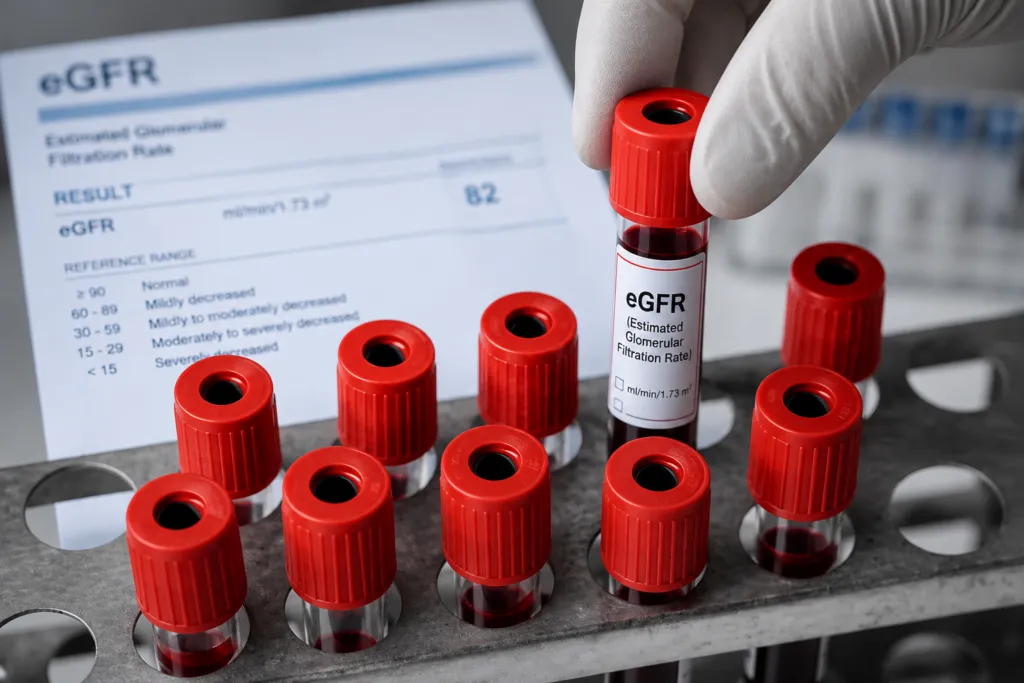
Another term you may encounter when checking your kidneys is: eGFR — estimated glomerular filtration rate.

In simple terms, eGFR estimates how well your kidneys are filtering your blood. Your healthcare professional can calculate eGFR using your blood test results and other information.

Generally:

Higher eGFR → better filtering function

Lower eGFR → reduced kidney filtration

However, one abnormal result does not automatically mean you have chronic kidney disease. CKD involves abnormalities of kidney structure or function that persist over time.

This is why your doctor may monitor your kidney function through repeated blood and urine tests.

Does High Blood Sugar Always Cause Kidney Disease?

No.

Having diabetes increases your risk of kidney disease, but it does not mean that kidney damage is inevitable.

Your overall risk can be affected by factors such as:

  • Duration of diabetes
  • Blood glucose control
  • Blood pressure
  • Albuminuria
  • Existing kidney function
  • Smoking
  • Cardiovascular health
  • Body weight
  • Other medical conditions
  • Medication adherence

This is important because some people may think:

“I have diabetes, so kidney failure is unavoidable.”

That is not the right conclusion.

A better way to think about it is:

“I have diabetes, so I should monitor and actively protect my kidney health.”

What Are the Warning Signs of Diabetes-Related Kidney Damage?

One of the biggest challenges is that early diabetic kidney disease may have no obvious symptoms. That is why screening is so important. 

As kidney disease becomes more advanced, some people may experience:

1. Swelling

Particularly around the:

  • Ankles
  • Feet
  • Legs

2. Changes in urination

Such as changes in frequency, volume or appearance.

3. Foamy urine

This can sometimes occur when there is increased protein in the urine, although it is not specific to kidney disease.

4. Persistent fatigue

Advanced kidney disease can contribute to fatigue and weakness.

5. Poor appetite or nausea

These may occur in more advanced disease.

But don’t wait for these symptoms before checking your kidneys. The earlier stages can be silent.

Can High Blood Sugar Cause Kidney Failure?

It can contribute to it.

Persistent diabetes-related kidney damage can progress through stages of chronic kidney disease. In severe cases, kidney function may eventually become critically impaired, resulting in kidney failure.

However, this progression is not inevitable.

The goal is to identify kidney abnormalities early and manage the factors that can be modified. This may involve:

  • Blood glucose management
  • Blood pressure management
  • Appropriate medications
  • Kidney monitoring
  • Healthy eating
  • Physical activity
  • Weight management
  • Avoiding smoking
  • Individualised nutrition care

The earlier kidney problems are identified, the more opportunities your healthcare team may have to manage the condition.
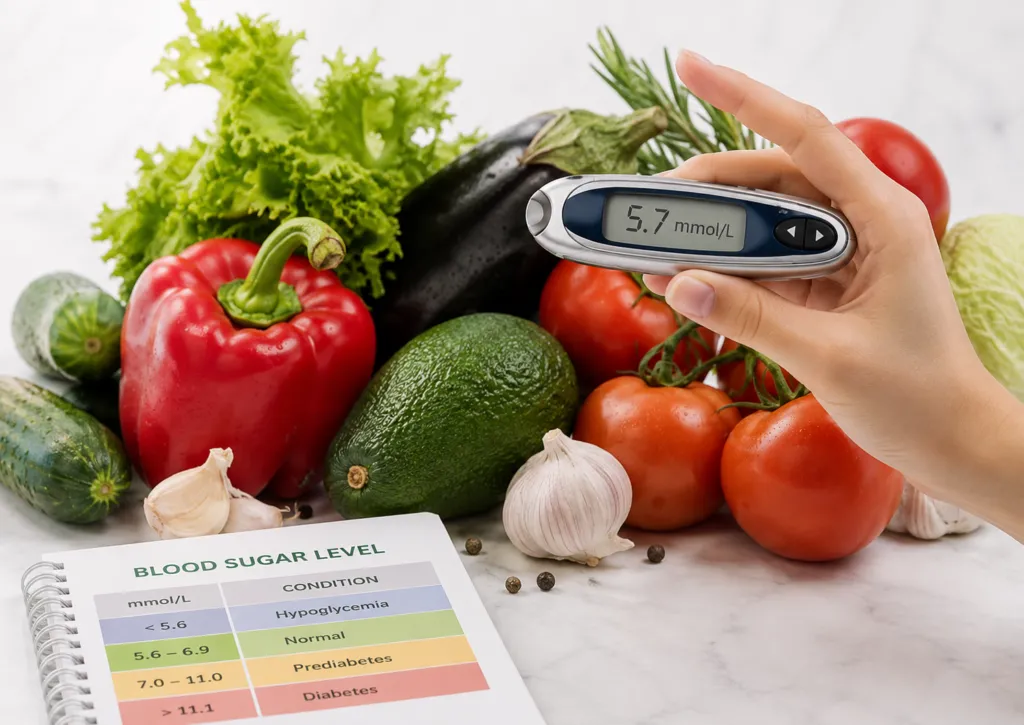
Can Improving Blood Sugar

Can Improving Blood Sugar Help Protect Your Kidneys?

Yes, appropriate diabetes management is an important part of reducing the risk of diabetes-related complications, including kidney disease.

But kidney protection is not simply:

“Eat less sugar.”

The bigger picture includes:

Blood glucose + blood pressure + overall diet + physical activity + medication + kidney monitoring + individual risk factors

This is particularly important for people who have both diabetes and CKD. Their dietary requirements may become more complex because nutrition recommendations may need to account for:

  • Carbohydrate intake
  • Protein requirements
  • Sodium
  • Potassium
  • Phosphorus
  • Energy intake
  • Fluid requirements

That is why simply copying a “diabetic diet” from the internet may not be appropriate for someone who also has kidney disease.

What Should You Eat to Protect Your Kidneys If You Have Diabetes?

This is one of the most important questions — and unfortunately, there is no universal food list that works for everyone.

A good starting point is to focus on overall dietary quality and appropriate portions, while adjusting specific nutrients according to your health condition.

Depending on your needs, a dietitian may help you:

Manage carbohydrate portions

Instead of completely eliminating rice or noodles, focus on appropriate portions and better overall meal balance.

Reduce added sugars

Be mindful of:

  • Sweetened drinks
  • Teh tarik
  • Sweetened coffee
  • Desserts
  • Cakes
  • Sweet snacks
  • Sugary sauces

Reduce excessive sodium

Pay attention to:

  • Soy sauce
  • Fish sauce
  • Stock cubes
  • Instant noodles
  • Processed meats
  • Preserved foods
  • Restaurant sauces

Choose appropriate protein

Protein needs should be personalised according to kidney function and nutritional status.

Choose appropriate fats

Prioritise overall dietary quality and healthier fat sources while limiting excessive saturated and trans fats.

Eat appropriate amounts

Even nutritious foods can contribute excess energy if portions are consistently too large.

7 Practical Ways to Protect Your Kidneys If You Have Diabetes

1. Know Your HbA1c

Don’t manage your diabetes based solely on how you feel.

Ask your healthcare professional what your individual HbA1c target should be.

2. Know Your Kidney Numbers

Ask about:

  • eGFR
  • Urine albumin/UACR

Understanding your results gives you a clearer picture of your kidney health.

3. Monitor Your Blood Pressure

Blood pressure control is an important part of protecting kidney function.

4. Reduce Excess Sodium

Especially from:

  • Processed foods
  • Instant noodles
  • Sauces
  • Stock cubes
  • Preserved foods
  • Restaurant meals

5. Be Careful With Sugary Drinks

Liquid sugar can make it easy to consume large amounts of carbohydrate without feeling particularly full.

Common examples include:

  • Teh tarik
  • Milo ais
  • Kopi susu
  • Soft drinks
  • Sweetened fruit drinks
  • Bubble tea

Choose water or unsweetened drinks more often where appropriate.

6. Stay Physically Active

Regular physical activity supports:

  • Insulin sensitivity
  • Cardiovascular health
  • Weight management
  • Overall metabolic health

Your exercise plan should be appropriate for your health and physical ability.

7. Don’t Wait for Symptoms

This may be the most important point.

Kidney disease can develop quietly.

If you have diabetes, regular monitoring is much more useful than waiting for swelling, fatigue or urinary changes.
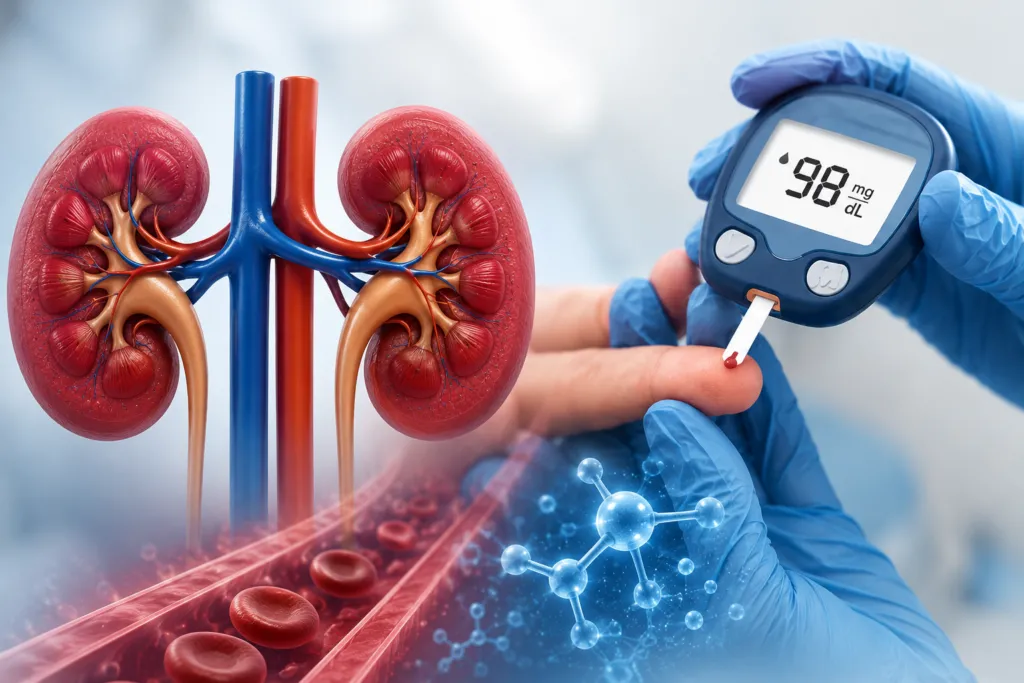
Diabetes + Kidney Disease: Why Nutrition Gets More Complicated

This is particularly important for people who have both diabetes and CKD. You may receive two sets of advice.

For diabetes:

“Watch your carbohydrate intake.”

For kidney disease:

“Watch your sodium, protein, potassium or phosphorus.”

But these recommendations cannot simply be combined into one generic “kidney diabetes diet.” Your individual nutritional requirements need to be considered together.

For example, someone may need to manage:

Blood glucose

while also considering:

Blood pressure + sodium + kidney function + potassium + protein + overall energy intake

This is why personalised nutrition counselling can be valuable.

How Dietitian90 Consultancy Can Help

At Dietitian90 Consultancy, nutrition counselling is not about giving you a generic list of “good foods” and “bad foods.”

The focus is on helping you understand how to make realistic dietary changes based on your individual health needs.

This can be particularly valuable if you have:

  • Diabetes
  • Prediabetes
  • High blood sugar
  • Chronic kidney disease
  • High blood pressure
  • High cholesterol
  • Weight management concerns
  • Diabetes and kidney disease together

Rather than asking you to completely abandon Malaysian food, a personalised approach can help you understand how to make more practical choices in your everyday life.

That may include learning how to manage meals at:

  • Hawker centres
  • Kopitiams
  • Mamak restaurants
  • Chinese restaurants
  • Malay restaurants
  • Food courts
  • Family gatherings

Because the best diet is not necessarily the one that looks perfect on paper. It is the one you can realistically follow while supporting your health.

If you have diabetes, abnormal kidney test results, or are concerned about your future kidney health, speak to a qualified healthcare professional or dietitian for advice tailored to your condition.

Protect your kidneys before problems become harder to manage.

Book a personalised consultation with Dietitian90 Consultancy and take the next step towards better diabetes and kidney health.


Categories
Blogs

15 Malaysian Foods That May Be High in Sodium: What Kidney Patients Should Know

If you have chronic kidney disease (CKD), diabetes, high blood pressure or reduced kidney function, you may have been told to “cut down on salt.”

But what does that actually mean when you are eating Malaysian food?

Should you stop eating soy sauce?

Can you still eat nasi lemak?

What about instant noodles, curry, bak kut teh or sambal?

And is sea salt or Himalayan pink salt actually better for your kidneys?

The truth is that reducing sodium is not simply about putting less table salt on your food. A large amount of sodium can come from sauces, processed foods, preserved foods, instant meals and restaurant dishes that may not taste extremely salty.

For people with kidney disease, paying attention to sodium intake can be particularly important because the kidneys help regulate fluid and electrolyte balance. Excess sodium can contribute to fluid retention and higher blood pressure, which can place additional strain on the cardiovascular system and kidneys.

Malaysia’s Ministry of Health has highlighted sauces, instant noodles and processed foods as important sources of salt in the Malaysian diet.

In this guide, Dietitian90 Consultancy explains 15 common Malaysian foods and food categories that may be high in sodium, what to watch out for, and practical ways to make more kidney-friendly choices without giving up Malaysian food completely.

Important: Not everyone with kidney disease has exactly the same dietary requirements. Your recommended sodium, potassium, protein, fluid and other nutrient intake should be based on your kidney function, blood tests, medical conditions and treatment plan.

Sodium vs Salt

Sodium vs Salt: Are They the Same Thing?

Before looking at Malaysian foods, let’s clear up one common misunderstanding.

Salt and sodium are related, but they are not exactly the same thing.

Table salt is primarily sodium chloride.

Sodium is one component of salt and is also found in many other food ingredients and additives.

For example, sodium can be present in:

  • Soy sauce
  • Fish sauce
  • Oyster sauce
  • Stock cubes
  • Processed meats
  • Instant noodles
  • Canned foods
  • Seasoning powders
  • Processed snacks
  • Preserved foods


This means that simply removing the salt shaker from your dining table may not be enough.

In fact, Malaysia’s Ministry of Health has reported that sauces can be particularly high in salt, while instant noodles are another important source.

How Much Sodium Do People With Kidney Disease Need?

The appropriate amount depends on the individual and should be discussed with your healthcare team.

Current kidney disease guidance generally supports reducing dietary sodium, particularly for people with CKD who have issues such as high blood pressure or fluid retention. KDIGO guidance recommends a dietary sodium intake of less than 2 g sodium per day for people with CKD, equivalent to approximately 5 g of salt per day.

Malaysia’s older CKD clinical practice guideline similarly recommended sodium restriction for people with CKD.

However, don’t interpret this as:

“Every kidney patient must eat exactly the same diet.”

Your diet may also need to consider:

  • CKD stage
  • Blood pressure
  • Blood sodium
  • Blood potassium
  • Phosphorus
  • Diabetes
  • Heart health
  • Medications
  • Fluid requirements
  • Dialysis status


This is why a personalised kidney diet is often much more useful than a generic “foods to avoid” list.

15 Malaysian Foods That May Be High in Sodium

1. Instant Noodles

Instant noodles are one of the easiest high-sodium foods to overlook.

The noodles themselves may contain sodium, but the seasoning powder, soup base and sauces can contribute substantially more.

A typical Malaysian instant noodle meal may also be combined with:

  • Processed sausages
  • Fish balls
  • Fried ingredients
  • Egg
  • Additional soy sauce
  • Chilli sauce


That can turn a convenient meal into a very high-sodium combination.

Better approach

If you eat instant noodles occasionally:

  • Use less seasoning powder
  • Don’t drink all the soup
  • Add fresh vegetables where appropriate
  • Choose fresh protein rather than processed meat
  • Avoid adding extra soy sauce


For someone with CKD who needs stricter sodium control, a dietitian can help identify better alternatives.

2. Soy Sauce-Based Dishes

Soy sauce is a staple in Malaysian cooking.

It appears in:

  • Fried rice
  • Fried noodles
  • Stir-fried vegetables
  • Chicken dishes
  • Fish dishes
  • Noodle soups
  • Dipping sauces


The problem is that “a little sauce” can add up quickly, especially when several sauces are used in the same dish.

Malaysia’s Ministry of Health has identified soy sauce and other sauces as important contributors to dietary salt.

Better approach

When eating out:

Ask for less sauce or sauce on the side.

This allows you to control how much you actually consume.

3. Fish Sauce, Shrimp Sauce and Other Fermented Sauces

Malaysian and Southeast Asian cuisine uses many intensely flavoured sauces.

Examples include:

  • Fish sauce
  • Shrimp sauce
  • Budu
  • Cencaluk
  • Fermented seafood sauces


These products can contain significant amounts of sodium because salt is often involved in preservation and fermentation.

Malaysia’s Ministry of Health has reported particularly high salt concentrations in certain fish and shrimp sauces.

Better approach

You don’t necessarily need to eliminate every sauce.

Instead:

  • Use smaller quantities
  • Avoid combining multiple salty sauces
  • Ask for sauces separately
  • Use herbs, spices, lime or other flavourings where suitable


4. Curry and Curry Gravy

Malaysian curry can be incredibly flavourful — but the sodium may come from more than just salt.

Depending on the recipe, curry may contain:

  • Salt
  • Curry paste
  • Stock cubes
  • Soy sauce
  • Seasoning powder
  • Preserved ingredients


And when you consume plenty of gravy, you may be consuming more of these ingredients.

Better approach

Try:

More protein + vegetables + less gravy

rather than completely avoiding curry.

If you are eating at a restaurant, you can also ask for less gravy.

5. Bak Kut Teh

Bak kut teh is a classic Malaysian favourite, particularly in many parts of Peninsular Malaysia.

However, the soup can contain significant sodium depending on the recipe, seasoning and accompanying sauces.

The bigger issue may be the combination:

Soup + soy sauce + chilli sauce + preserved vegetables + processed ingredients

can quickly increase the overall sodium content of the meal.

Better approach

If you have CKD and want to enjoy bak kut teh:

  • Be mindful of soup quantity
  • Use less dipping sauce
  • Limit salty preserved side dishes
  • Choose fresh vegetables where available
  • Balance the meal rather than focusing only on the meat


6. Salted Fish

Salted fish is preserved using salt, making it an obvious food to watch if you have been advised to reduce sodium.

It may appear in:

  • Fried rice
  • Porridge
  • Vegetable dishes
  • Homemade meals
  • Sambal
  • Chinese-style dishes


Even a relatively small amount can contribute significant sodium.

Better approach

Use fresh fish more often when possible.

Fresh fish can provide protein without the large amount of added salt associated with salted fish.

7. Processed Meat

Examples include:

  • Sausages
  • Ham
  • Bacon
  • Luncheon meat
  • Canned meat
  • Hot dogs
  • Processed chicken products


Sodium is commonly used in processed meat for flavour, preservation and processing.

Malaysia’s dietary guidance identifies processed meat among foods that can be high in salt.

Better approach

Choose fresh:

  • Chicken
  • Fish
  • Eggs
  • Tofu
  • Other appropriate protein sources


instead of relying heavily on processed meat.

8. Pickled and Preserved Foods

Preservation often involves salt.

Common examples include:

  • Pickled vegetables
  • Preserved mustard greens
  • Salted vegetables
  • Preserved fruits
  • Pickled ginger
  • Salted plums
  • Preserved olives


These foods may be eaten in small portions, but frequent consumption can contribute to overall sodium intake.

Better approach

Treat preserved foods as small flavour additions rather than a major part of the meal.

9. Sambal and Chilli Sauces

Sambal may look like a small side dish, but its ingredients can vary considerably.

Depending on the recipe, sambal may contain:

  • Salt
  • Shrimp paste
  • Soy sauce
  • Preserved seafood
  • Sugar
  • Seasoning


Similarly, bottled chilli sauces can contain added sodium.

Better approach

You don’t necessarily need to eliminate sambal.

Instead:

Use less.

A spoonful for flavour is different from several spoonfuls covering the entire meal.

10. Canned Foods

Canned foods can be convenient, especially for busy households.

Potential examples include:

  • Canned soup
  • Canned meat
  • Canned fish
  • Canned beans
  • Canned vegetables
  • Canned sauces


Some products contain added salt or sodium-containing ingredients.

Better approach

Look for:

“No added salt” or “reduced sodium” versions where available.

If appropriate, draining and rinsing certain canned foods can also reduce some sodium, although the amount removed varies by food and preparation.

11. Stock Cubes and Seasoning Powders

This is one of the hidden sodium traps in home cooking.

A dish may not taste extremely salty, but the recipe might include:

  • Chicken stock cube
  • Beef stock cube
  • Mushroom seasoning
  • MSG-containing seasoning
  • Instant soup powder
  • Flavour enhancer


These ingredients can contribute significantly to the overall sodium content.

Better approach

Build flavour using:

  • Garlic
  • Ginger
  • Onion
  • Lemongrass
  • Pepper
  • Chilli
  • Lime
  • Herbs
  • Spices


This can make food flavourful without relying entirely on salty seasonings.

12. Salted Egg and Salted Egg-Based Foods

Salted egg has become increasingly popular in Malaysian dishes.

You may find it in:

  • Salted egg chicken
  • Salted egg prawns
  • Salted egg fish
  • Salted egg chips
  • Salted egg sauces


The obvious concern is the salted egg itself, but the dish may also contain additional seasoning and sauce.

Better approach

Treat salted egg dishes as an occasional choice rather than a regular meal if you have been advised to restrict sodium.

13. Savoury Snacks and Crackers

Not all high-sodium foods look like “salty food.”

Examples include:

  • Potato chips
  • Crackers
  • Cheese-flavoured snacks
  • Instant snack foods
  • Savoury biscuits
  • Flavoured nuts


Malaysia’s dietary guidance identifies savoury snacks among processed foods that can contribute to salt intake.

Better approach

Choose snacks with less added sodium and check the nutrition label rather than relying only on taste.

14. Restaurant and Hawker Centre Foods

This is arguably one of the biggest challenges for Malaysians with kidney disease.

Restaurant food can contain sodium from multiple sources:

Salt + sauces + seasoning powder + stock + preserved ingredients

You may not know exactly how much was used during cooking.

Common dishes that may become high in sodium depending on preparation include:

  • Fried noodles
  • Fried rice
  • Noodle soup
  • Curry noodles
  • Claypot dishes
  • Stir-fried dishes
  • Soup-based dishes
  • Sauced meat dishes


Better approach

When eating out, try:

“Less salt, less sauce, no extra seasoning.”

And when possible:

  • Request sauces separately
  • Don’t finish all the soup
  • Choose simpler dishes
  • Avoid adding extra soy sauce
  • Balance the meal with appropriate fresh foods


15. Processed and Instant Convenience Foods

The final category is broader but extremely important.

Think about:

  • Frozen ready-to-eat meals
  • Instant porridge
  • Instant soup
  • Frozen processed meat
  • Ready-made sauces
  • Packaged meals
  • Convenience-store foods


These products can contain sodium because it is used for flavour, preservation and food processing.

The Malaysian Ministry of Health notes that many processed and pre-packed foods can contain high amounts of salt, including bread, processed meat, sauces, flavour enhancers and instant noodles.

Better approach

When shopping, compare different brands and choose products with lower sodium where possible.

The Hidden Sodium Problem: “Healthy” Foods Can Still Contain Sodium

One of the biggest mistakes is thinking:

“I’m eating healthy, so I don’t need to worry about sodium.”

For example:

A meal containing grilled chicken and vegetables may sound healthy.

But if the chicken is marinated heavily in soy sauce and the vegetables are stir-fried with stock powder, the total sodium content can still be substantial.

This is why how food is prepared matters just as much as what food you choose.

What About Himalayan Pink Salt or Sea Salt?

This is a common question.

“Can I use Himalayan pink salt because it is healthier?”

From a sodium perspective, changing the type of salt does not automatically solve the problem.

Malaysia’s dietary guidance notes that different types of salt — including sea salt and Himalayan pink salt — still contain sodium.

So:

Himalayan salt ≠ sodium-free salt

If you need to reduce sodium, the bigger goal is to reduce your overall sodium intake, regardless of whether the salt is:

  • Table salt
  • Sea salt
  • Himalayan pink salt
  • Rock salt

What About Potassium-Based Salt Substitutes?

You may have seen “low-sodium salt” or potassium-based salt substitutes in supermarkets.

These products can reduce sodium because some sodium chloride is replaced with potassium chloride.

However, people with kidney disease should not automatically switch to potassium-based salt substitutes without professional advice.

Why?

Because some people with CKD can develop high blood potassium levels, and certain medications can also increase potassium.

Malaysia’s dietary guidance specifically highlights this concern for people with kidney disease and certain medications.

So before using a potassium-based salt substitute:

Ask your doctor or dietitian first.

7 Simple Ways to Reduce Sodium Without Giving Up Malaysian Food

You don’t need to turn every meal into bland boiled food. Try these practical strategies.

1. Use Less Sauce

Ask for:

“Sauce on the side.”

You control the portion instead of allowing the entire dish to be coated in sauce.

2. Don’t Automatically Finish the Soup

Soup can contain significant amounts of sodium depending on how it is prepared.

3. Reduce Processed Foods

Choose fresh ingredients more often.

4. Read Food Labels

Look for sodium per serving, not just the serving size.

5. Use Herbs and Spices

Enhance flavour using:

  • Garlic
  • Ginger
  • Chilli
  • Lemongrass
  • Pepper
  • Turmeric
  • Lime
  • Coriander

6. Taste Before Adding Sauce

Don’t automatically add:

  • Soy sauce
  • Fish sauce
  • Chilli sauce
  • Salt

Taste the food first.

7. Think About Your Whole Day

One salty food isn’t the entire problem.

Look at the total sodium exposure across breakfast, lunch, dinner, snacks and drinks.

What Should a Kidney-Friendly Malaysian Meal Look Like?

Instead of asking:

“What foods can kidney patients eat?”

a better question is:

“How can I build a balanced meal that fits my kidney health?”

A dietitian may help you consider:

Carbohydrate

Choose an appropriate portion based on your energy needs and diabetes management.

Protein

The amount and type should be appropriate for your kidney function and nutritional needs.

Vegetables

Selection and portion may need to take potassium levels and kidney function into account.

Sodium

Reduce heavily salted sauces, processed foods and preserved ingredients.

Fluids

Some people with advanced kidney disease may have fluid restrictions, while others may not.

This is why there is no single “kidney diet plate” that works for everyone.

Final Takeaway: Watch the Sodium, Not Just the Salt Shaker

If you have kidney disease, reducing sodium can be an important part of managing your overall health. But sodium is not only found in table salt.

It can hide in:

  • Instant noodles
  • Soy sauce
  • Fish sauce
  • Curry
  • Bak kut teh
  • Processed meat
  • Salted fish
  • Pickled foods
  • Sambal
  • Canned foods
  • Stock cubes
  • Snacks
  • Restaurant meals


The solution isn’t necessarily to eliminate every Malaysian food you enjoy.

Instead:

Choose less processed foods, reduce salty sauces and seasonings, watch portions, read food labels and make changes based on your individual kidney health.

And remember:

A kidney-friendly diet is not about eating less flavour. It’s about learning where the sodium is coming from and making smarter choices.

If you have kidney disease, diabetes or abnormal kidney blood tests and are unsure what you should eat, a personalised consultation with a qualified dietitian can help you avoid unnecessary restrictions while still supporting your kidney health.

Book a personalised consultation with Dietitian90 Consultancy and take the next step towards better diabetes and kidney health.

Categories
Blogs

Can Diabetes Cause Kidney Disease? 7 Warning Signs Malaysians Should Know

Diabetes and kidney disease are closely connected — but kidney damage does not have to be an inevitable outcome of diabetes.

Many Malaysians living with diabetes focus on their blood sugar, HbA1c, cholesterol or weight. However, there is another part of your health that deserves just as much attention: your kidneys.

Diabetes is one of the major risk factors for chronic kidney disease (CKD). Over time, consistently high blood glucose can damage the tiny blood vessels and filtering structures inside the kidneys. This condition is commonly known as diabetic kidney disease (DKD).

The worrying part?

Diabetic kidney disease can develop quietly.

You may feel completely normal while kidney damage is already beginning. By the time symptoms such as swelling or significant fatigue appear, kidney function may have already declined.

The good news is that early detection and good diabetes management can help reduce the risk of kidney disease progressing.

In this guide, Dietitian90 Consultancy explains the connection between diabetes and kidney disease, the 7 warning signs you should know, the important kidney tests to ask about, and how nutrition can support both blood sugar and kidney health.

What Is Diabetic Kidney Disease?

Diabetic kidney disease is kidney damage associated with diabetes.

Your kidneys contain millions of tiny filtering units called nephrons. These structures filter your blood, remove waste and excess fluid, and help maintain the body’s chemical balance.

Healthy kidneys also help regulate:

  • Blood pressure
  • Fluid balance
  • Electrolytes
  • Acid-base balance
  • Red blood cell production
  • Bone and mineral metabolism

When blood glucose remains high for prolonged periods, the blood vessels within the kidneys can become damaged.

Over time, this can affect the kidneys’ filtering ability.

The progression may look something like:

Diabetes → prolonged high blood sugar → kidney blood vessel damage → albumin leakage → declining kidney function → chronic kidney disease → advanced kidney disease

Not everyone with diabetes will develop kidney disease. However, having diabetes does increase the risk, particularly when blood glucose, blood pressure and other cardiovascular risk factors are not well controlled.

Malaysia’s clinical guidance recognises diabetic kidney disease as an important complication of Type 2 diabetes and recommends assessment of albuminuria and estimated glomerular filtration rate (eGFR).

High Blood Sugar Damage Your Kidneys?

How Does High Blood Sugar Damage Your Kidneys?

Think of your kidneys as a sophisticated filtration system.

Your blood constantly passes through them so waste products can be removed while useful substances are retained.

When blood glucose remains elevated for long periods, the tiny blood vessels involved in filtration can be exposed to ongoing metabolic stress.

Initially, the kidneys may compensate by working harder.

Eventually, however, damage can develop.

One important early change is the appearance of albumin in the urine.

Albumin is a protein that normally stays in your bloodstream. If the kidney’s filtering barrier becomes damaged, albumin can leak into the urine.

This is why a urine test can sometimes detect kidney problems before you feel anything unusual.

As kidney disease progresses, eGFR may decline, indicating that the kidneys are becoming less efficient at filtering blood.

This is why waiting for symptoms is not a good strategy.

7 Warning Signs of Diabetic Kidney Disease

1. Albumin or Protein in Your Urine

One of the earliest measurable signs of diabetic kidney disease is albuminuria — increased albumin in the urine. You usually cannot see albumin in your urine.

There may be:

  • No pain
  • No obvious change in urination
  • No fatigue
  • No swelling

That is why urine testing is so important for people with diabetes.

A commonly used test is the urine albumin-to-creatinine ratio (UACR).

If your doctor tells you that you have elevated albumin in your urine, don’t simply assume it is unrelated to your diabetes. It deserves further assessment.

Malaysia’s Type 2 diabetes clinical guideline specifically recommends screening for albuminuria and assessing kidney function in people with diabetes.

Dietitian90 tip

If you have diabetes, ask your healthcare professional:

“Have my kidney function and urine albumin been checked?”

Don’t rely on how you feel.

2. A Declining eGFR

Another important kidney marker is estimated glomerular filtration rate (eGFR). In simple terms, eGFR provides an estimate of how effectively your kidneys are filtering your blood.

Your doctor may calculate it using your blood creatinine level together with other factors. A lower eGFR can indicate reduced kidney function.

However, one abnormal result does not automatically mean you have chronic kidney disease.

CKD is generally assessed based on abnormalities that persist over time, alongside other clinical information. This is why your healthcare team may monitor your eGFR periodically rather than relying on a single blood test.

Why should people with diabetes pay attention? Because kidney disease can progress gradually without obvious symptoms.

Tracking your kidney function gives your healthcare team an opportunity to identify changes earlier and address modifiable risk factors.

3. High Blood Pressure

High blood pressure and kidney disease have a complicated relationship.

Diabetes can increase your risk of kidney damage. Kidney disease can contribute to high blood pressure. And high blood pressure can further damage the kidneys.

This can create a cycle:

Diabetes → kidney damage → high blood pressure → further kidney damage

That is why managing blood pressure is not simply about protecting your heart. It is also part of kidney protection.

If you have diabetes and consistently elevated blood pressure readings, discuss this with your doctor rather than assuming it is just stress or age.

4. Swelling in Your Legs, Ankles or Feet

Swelling, also called oedema, can occur when the body retains excess fluid.

You may notice:

  • Swollen ankles
  • Puffy feet
  • Tight shoes
  • Socks leaving deeper marks around your ankles
  • Swelling that becomes more noticeable later in the day

However, swelling is not specific to kidney disease.

It can have many causes, including heart, liver, medication and other medical conditions.

So if you experience persistent or unexplained swelling, it is important to get properly assessed rather than assuming it is caused by diabetes.

5. Unusual Fatigue or Weakness

Feeling tired after a long workday is normal. But persistent or unexplained fatigue may deserve attention, particularly when it occurs alongside other changes in your health.

As kidney function becomes significantly impaired, waste products can accumulate and other physiological changes can occur, potentially contributing to:

  • Fatigue
  • Weakness
  • Reduced appetite
  • Difficulty concentrating

However, fatigue is also extremely common and can result from many other conditions, including poorly controlled diabetes, sleep problems, anaemia, stress and nutritional issues.

So don’t use fatigue alone to diagnose kidney disease. Instead, consider it a reason to investigate further when it occurs with other warning signs or abnormal test results.

6. Changes in Urination

Some people with kidney problems notice changes in their urination.

These can include:

  • Urinating more frequently
  • Urinating at night
  • Changes in urine appearance
  • Foamy or frothy urine
  • Changes in urine volume

However, there is an important distinction.

Frequent urination can also occur because of high blood glucose.

When blood glucose becomes very high, the kidneys excrete more glucose into the urine, which can pull additional water with it and increase urination.

Therefore, frequent urination does not automatically mean kidney failure. It should be considered alongside your blood glucose levels, urine tests and overall clinical picture.

7. Loss of Appetite, Nausea or Feeling Unwell

In more advanced kidney disease, the accumulation of waste products can contribute to symptoms such as:

  • Poor appetite
  • Nausea
  • Vomiting
  • Metallic taste
  • Persistent itching
  • General weakness

These are not early warning signs in most cases. If someone waits until these symptoms develop before checking their kidney health, they may have missed an opportunity for earlier intervention.

That’s why regular monitoring is much more useful than waiting for symptoms.

The Most Important Point: Kidney Disease Can Be Silent

This is perhaps the biggest message Malaysians with diabetes should remember:

You can have diabetic kidney disease without feeling sick.

That is why kidney screening matters.

Someone can have: Normal-looking urine + no swelling + no pain + normal daily activities and still have abnormalities detected through blood or urine tests.

This is particularly important because early kidney disease may be much easier to manage than advanced kidney disease.

Can You Prevent or Slow Diabetic Kidney Disease?

In many cases, there are important steps that can help reduce the risk of kidney disease developing or progressing. 

These include managing:

Blood glucose

Keeping blood glucose within your individual target range reduces prolonged exposure to high glucose.

Blood pressure

Good blood pressure control is an important part of protecting kidney health.

Sodium intake

A high-sodium diet can contribute to elevated blood pressure and fluid-related problems.

Body weight

If you have excess body weight, gradual and sustainable weight management may improve metabolic health.

Physical activity

Regular physical activity supports insulin sensitivity, cardiovascular health and overall metabolic function.

Smoking

If you smoke, getting support to quit is an important part of reducing cardiovascular and kidney risk.

What Should You Eat If You Have Diabetes and Are Worried About Your Kidneys?

This is where professional nutrition guidance becomes particularly important.

One of the biggest misconceptions is:

“If I have diabetes, I just need a low-sugar diet.”

And another is:

“If I have kidney disease, I must avoid all protein, fruits and vegetables.”

Neither is a good universal rule.

Your nutritional requirements can change depending on:

  • Kidney function
  • UACR
  • Blood potassium
  • Phosphorus levels
  • Blood pressure
  • Diabetes control
  • Medication
  • Body weight
  • Nutritional status
  • CKD stage


For example, a person with early CKD may have very different dietary requirements from someone with advanced CKD. Similarly, not every person with CKD automatically needs to restrict potassium or phosphorus.

This is precisely why copying a random “kidney diet plan” from the internet can be inappropriate. Current international CKD guidance emphasises individualised care, and Malaysia’s clinical guidance also recognises the importance of assessing kidney function and albuminuria in people with diabetes.

Malaysian Foods: Where Should You Start?

You don’t necessarily need to stop eating Malaysian food. Instead, your dietitian may help you modify the:

Portion

For example, adjusting the amount of rice, noodles or other carbohydrate-rich foods.

Cooking method

Choosing steamed, grilled or less heavily processed options more often.

Sodium

Being mindful of:

  • Soy sauce
  • Salt
  • Stock cubes
  • Processed foods
  • Sauces
  • Pickled foods
  • Instant noodles

Sugar

Reducing frequent intake of:

  • Teh tarik
  • Teh ais
  • Kopi susu
  • Sweetened beverages
  • Desserts
  • Sweet sauces

Protein

Choosing an appropriate amount and type based on your individual kidney health and nutritional requirements.

The goal isn’t:

“Stop eating everything you love.”

It is:

“Learn how to eat your familiar foods in a way that better supports your health.”

5 Things You Can Do Today to Protect Your Kidneys

If you have diabetes, start with these five practical steps:

1. Know Your HbA1c

Don’t manage diabetes based only on how you feel.

2. Ask About Your eGFR

Find out whether your kidney filtration function has been assessed.

3. Ask About Urine Albumin

A urine test can identify kidney changes that you may not feel.

4. Check Your Blood Pressure

Don’t overlook hypertension just because your blood sugar appears controlled.

5. Review Your Diet

If you have diabetes plus abnormal kidney results, consider getting personalised nutrition advice rather than following a generic online diet.

When Should You Speak to a Healthcare Professional?

Don’t wait for severe symptoms.

Speak with your doctor if you have diabetes and:

  • Have abnormal eGFR results
  • Have albumin/protein detected in urine
  • Have persistent high blood pressure
  • Develop unexplained swelling
  • Notice significant changes in urination
  • Experience persistent fatigue or poor appetite
  • Are told that your kidney function is declining

And if your doctor has already identified kidney disease, don’t make major dietary restrictions on your own.

For example, suddenly eliminating protein, fruit, vegetables or whole food groups without knowing your kidney stage and laboratory results may create unnecessary nutritional problems.

Dietitian90 Consultancy Can Help

How Dietitian90 Consultancy Can Help

Managing diabetes is not simply about removing sugar from your diet. And managing kidney disease is not simply about following a generic “kidney food list”.

When diabetes and kidney concerns occur together, your nutritional needs can become more complex.

At Dietitian90 Consultancy, personalised nutrition guidance can help you understand how your current eating habits may affect:

  • Blood glucose
  • HbA1c
  • Blood pressure
  • Kidney health
  • Body weight
  • Overall metabolic health


Dietitian90’s approach is built around personalised diet counselling rather than asking you to completely abandon the foods and lifestyle you are familiar with. The consultancy is based in Penang and also provides online counselling for clients elsewhere in Malaysia.

If you have diabetes, abnormal kidney test results, or are concerned about your future kidney health, speak to a qualified healthcare professional or dietitian for advice tailored to your condition.

Protect your kidneys before problems become harder to manage.

Book a personalised consultation with Dietitian90 Consultancy and take the next step towards better diabetes and kidney health.

Categories
Blogs

10 Hidden Blood Sugar Traps During Festive Seasons in Malaysia

Festive seasons in Malaysia are meant to be joyful — family gatherings, reunion meals, open houses, and cultural traditions we look forward to every year. However, for people with diabetes, prediabetes, insulin resistance, or those practising anti-sugar living (抗糖), festive celebrations can quietly become a blood sugar minefield.

Many Malaysians believe that avoiding desserts is enough. In reality, some of the biggest blood sugar spikes come from foods that don’t even taste sweet.

As dietitians working closely with Malaysian clients, Dietitian90 often sees blood glucose levels rise sharply after festive periods — not because of one meal, but because of repeated hidden traps.

Let’s uncover the 10 most common festive blood sugar traps during Chinese New Year, Hari Raya, and Deepavali, and how you can enjoy celebrations more safely.

Why Festive Eating Is Risky for Blood Sugar

During festive seasons:

  • Meal timing becomes irregular
  • Portions increase without us realising
  • Refined carbohydrates dominate the menu
  • Physical activity often drops

This combination creates the perfect environment for blood sugar instability, insulin overload, and fat accumulation — especially visceral fat.

1. “Looks Healthy” Dishes That Are High in Refined Carbs

During festivals, dishes like:

  • Yee sang
  • Fried vermicelli (bee hoon)
  • White rice-based dishes

are often perceived as “lighter” options.

👉 Hidden issue:
Refined carbohydrates break down quickly into glucose, causing rapid blood sugar spikes, especially when eaten without enough protein or fibre.

Dietitian90 tip:
Balance refined carbs with protein (fish, chicken, tofu) and vegetables before eating carb-heavy dishes.

2. Festive Sauces and Gravies

CNY sauces, rendang gravy, curry bases, and Deepavali masala dishes often contain:

  • Added sugar
  • Coconut milk
  • Thickening starches

These sauces silently raise blood sugar even when portion sizes seem small.

Anti-sugar strategy:
Take less sauce, focus on the solid protein, and avoid soaking rice or bread in gravy.

3. “Just One Bite” Culture

During open houses, it’s common to:

  • Taste a little at each house
  • Snack while chatting
  • Eat even when not hungry

The issue isn’t one bite — it’s continuous glucose exposure throughout the day.

Blood sugar impact:
Frequent small intakes prevent insulin levels from dropping, worsening insulin resistance.

What to do:
Set eating windows and avoid continuous grazing.

4. Festive Drinks That Spike Blood Sugar Fast

Popular festive drinks include:

  • Sweetened tea & coffee
  • Syrup bandung
  • Canned drinks
  • Herbal drinks with sugar

Liquid sugar is absorbed faster than solid food, making it one of the most dangerous festive traps.

Better options:

  • Plain water
  • Unsweetened tea
  • Warm water between meals

5. Fruits Eaten at the Wrong Time

Fruit trays are common during CNY and Deepavali. While fruits are nutritious, eating them:

  • On an empty stomach
  • In large quantities
  • Together with sweets

can spike blood sugar rapidly.

Dietitian90 advice:
Eat fruit after a meal, not as a standalone snack during visiting hours.

6. Traditional Festive Snacks Disguised as “Small”

Examples:

  • Pineapple tarts
  • Kuih raya
  • Murukku
  • Laddu

Although small, they are highly concentrated in sugar, flour, and fat.

Key mistake:
People underestimate the impact because of their size.

Smart approach:
Choose one favourite snack, eat mindfully, and skip the rest.

7. Late-Night Eating During Festive Gatherings

Open houses often extend late into the night. Eating heavy meals close to bedtime:

  • Worsens blood sugar control
  • Affects sleep quality
  • Increases fat storage

This is especially harmful for people with insulin resistance.

Best practice:
If eating late, prioritise protein and vegetables, avoid rice and desserts.

8. Skipping Meals to “Save Calories”

Some people skip meals during the day to prepare for festive feasting.

👉 This backfires.

Skipping meals:

  • Increases insulin spikes later
  • Encourages overeating
  • Disrupts blood sugar regulation

Better strategy:
Eat balanced meals earlier so you don’t arrive overly hungry.

9. Alcohol During Festive Celebrations

Alcohol is often overlooked during festive gatherings.

Hidden danger:
Alcohol can initially lower blood sugar, then cause rebound spikes, especially when combined with carbs.

For diabetics:
Alcohol should be limited and never consumed on an empty stomach.

10. “It’s Only Once a Year” Mindset

Festive seasons in Malaysia happen multiple times a year — CNY, Raya, Deepavali, weddings, open houses.

Repeated short-term indulgence becomes a long-term metabolic problem.

Reality check:
Blood sugar damage is cumulative, not instant.

Key Takeaway: Enjoy Festivities Without Sacrificing Your Health

Festive food isn’t the enemy — lack of awareness is.

By recognising hidden blood sugar traps and making smarter choices, you can:

  • Enjoy cultural celebrations
  • Protect your pancreas
  • Maintain stable blood sugar
  • Avoid post-festive health setbacks

If you want personalised guidance tailored to your lifestyle, festivals, and health condition, Dietitian90 is here to support you.

Ready to Take Control of Your Health?

If you’ve struggled with meal planning, sugar spikes, or confusing diet information, you don’t have to do it alone.

📞 Book your 1-to-1 consultation with Dietitian90 today and start your personalized 90-Day Diabetes Meal Plan.

Our experienced dietitians will guide you step by step — from choosing the right food to monitoring your blood sugar results — all tailored for your lifestyle and taste.

👉 Contact us now

 or WhatsApp +6010-267 9918 to begin your journey toward better health.

Categories
Blogs

Is Lower Blood Sugar Always Better? What’s Actually a Healthy Range?

When it comes to managing diabetes or practising an anti-sugar (抗糖) lifestyle, many Malaysians share a common belief: “The lower my blood sugar, the better.”

At first glance, this sounds logical. After all, high blood sugar is linked to diabetes, so lowering it must be good… right?

Not exactly.

At Dietitian90 Consultancy in Penang, we often see individuals trying to push their blood sugar as low as possible — sometimes unknowingly putting themselves at risk of hypoglycaemia (low blood sugar) and long-term metabolic imbalance.

The truth is:

Blood sugar control is not about going as low as possible — it’s about staying within a healthy, stable range.

In this article, we’ll explain what a healthy blood sugar range looks like, why going too low can be dangerous, and how to achieve balance safely.

Understanding Blood Sugar Why Balance Matters

Understanding Blood Sugar: Why Balance Matters

Blood sugar (glucose) is your body’s primary source of energy.

Your brain, muscles, and organs rely on a steady supply of glucose to function properly. The goal is stability, not extremes.

When blood sugar is:

  • Too high → increases risk of diabetes complications
  • Too low → disrupts normal body function and can be dangerous

What Is a Normal Blood Sugar Range?

While targets may vary slightly depending on individual conditions, general guidelines are:

For Non-Diabetic Individuals

  • Fasting: 4.0 – 5.5 mmol/L
  • 2 hours after meals: Below 7.8 mmol/L

For People with Diabetes (General Targets)

  • Fasting: 4.4 – 7.0 mmol/L
  • 2 hours after meals: Below 8.5 – 10.0 mmol/L

These ranges are designed to:

  • Prevent complications
  • Maintain energy levels
  • Avoid dangerous lows
What Happens When Blood Sugar Goes Too Low?

What Happens When Blood Sugar Goes Too Low?

Low blood sugar (hypoglycaemia) occurs when glucose drops below 4.0 mmol/L.

This can happen due to:

  • Skipping meals
  • Over-restricting carbohydrates
  • Excess medication or insulin
  • Intense exercise without proper nutrition

Common Symptoms of Low Blood Sugar

  • Dizziness or lightheadedness
  • Shaking or trembling
  • Sweating
  • Rapid heartbeat
  • Confusion or difficulty concentrating
  • Sudden hunger

In severe cases:

  • Fainting
  • Seizures
  • Loss of consciousness

Hypoglycaemia is not just uncomfortable — it can be dangerous if not managed properly.

Why “Lower Is Better” Can Be a Risky Mindset

Why “Lower Is Better” Can Be a Risky Mindset

This creates a rollercoaster effect — spikes followed by crashes — which is worse than stable, slightly higher levels.

Many people aggressively try to reduce blood sugar by:

  • Skipping meals
  • Avoiding carbohydrates completely
  • Over-exercising
  • Taking unverified supplements

While these may temporarily lower readings, they often lead to:

  • Blood sugar crashes
  • Hormonal imbalance
  • Increased stress on the body

The Hidden Danger: Blood Sugar Fluctuations

It’s not just high or low levels that matter — fluctuations are equally harmful. Stability is more important than chasing the lowest number.

Repeated cycles of:

  • High spikes → insulin surge
  • Sudden drops → hypoglycaemia

This can cause

  • Worsen insulin resistance
  • Increase hunger and cravings
  • Damage long-term metabolic health

Why Some Malaysians Experience Low Blood Sugar Frequently

At Dietitian90, common causes include:

1. Skipping Meals to “Control Sugar”

This is one of the most common mistakes.

Skipping meals leads to:

  • Blood sugar dips
  • Overeating later
  • Larger spikes afterward

2. Over-Restricting Carbohydrates

Carbohydrates are not the enemy — balance is key. Completely cutting carbs can:

  • Reduce energy supply
  • Trigger hypoglycaemia
  • Increase cravings

3. Drinking “Anti-Sugar” Remedies Without Proper Diet

Without proper meals, these may lower blood sugar too much, especially when combined with medication.

Some individuals rely on:

  • Herbal drinks
  • “Natural sugar-lowering” beverages

4. Medication Without Proper Meal Planning

For those on insulin or glucose-lowering medication:

  • Timing of meals becomes critical
  • Skipping meals can cause dangerous drops
What Is a Healthy Blood Sugar Goal?

What Is a Healthy Blood Sugar Goal?

Instead of aiming for the lowest number, focus on:

Consistency

  • Stable readings throughout the day
  • Avoid large spikes and drops

Sustainability

  • Eating patterns you can maintain long-term
  • No extreme restriction

Safety

  • Avoid hypoglycaemia
  • Maintain energy and daily function

A slightly higher but stable blood sugar is healthier than unstable extremes.

How to Maintain Healthy Blood Sugar Levels

1. Eat Balanced Meals

This helps regulate glucose absorption. Each meal should include:

  • Protein (chicken, fish, eggs, tofu)
  • Fibre (vegetables)
  • Controlled carbohydrates

2. Avoid Long Gaps Between Meals

Eating regularly prevents:

  • Sudden drops
  • Overeating later

3. Be Mindful with Exercise

Exercise improves insulin sensitivity, but:

  • Exercising on an empty stomach may cause dips
  • Proper fueling is important

4. Monitor Patterns, Not Just Numbers

Instead of focusing on a single reading, look at:

  • Trends over time
  • Post-meal response
  • Daily consistency

5. Work with a Qualified Dietitian

Every individual responds differently to food and lifestyle changes.

A structured approach ensures:

  • Safe blood sugar targets
  • Personalised meal planning
  • Reduced risk of complications

Key Takeaway: Balance Over Extremes

Lower blood sugar is not always better.

The healthiest blood sugar is one that is stable, safe, and sustainable.

Avoid chasing numbers blindly. Focus on:

  • Consistent habits
  • Balanced meals
  • Professional guidance

Take Control of Your Blood Sugar — Safely

If you are:

  • Experiencing frequent blood sugar dips
  • Unsure what your ideal range should be
  • Trying to manage diabetes without clear guidance

It’s time to move from guesswork to a structured plan.

Dietitian90 Consultancy in Penang provides personalised support to help you:

  • Achieve stable blood sugar
  • Avoid hypoglycaemia
  • Improve long-term health safely

Book your consultation today and take control of your health with confidence.

Contact us now

or WhatsApp +6010-267 9918 to begin your journey toward better health.

Categories
Blogs

Does Okra Water Really Lower Blood Sugar? A Dietitian Reviews the Evidence

If you’ve been searching for natural ways to control blood sugar, chances are you’ve come across this popular claim: “Drinking okra water can lower blood sugar.”

From WhatsApp messages to TikTok videos and Facebook sharing, this simple home remedy has gained massive attention in Malaysia — especially among individuals with diabetes, prediabetes, or those practising anti-sugar (抗糖) lifestyles.

But how true is it?

At Dietitian90 Consultancy in Penang, we often get asked: “Can I just drink okra water instead of changing my diet?”

The short answer is:
Okra water may have some benefits — but it is NOT a magic solution.

Let’s break down the science, the myths, and what actually works for long-term blood sugar control.

What Is Okra Water?

Okra (also known as lady’s finger) is a vegetable commonly used in Malaysian cooking.

The belief is that the gel-like soluble fibre (mucilage) from okra helps reduce blood sugar levels.

“Okra water” typically refers to:

  • Sliced raw okra soaked in water overnight
  • The water is consumed the next morning
Okra Water banner

Why Do People Believe Okra Water Works?

There are a few reasons why this trend became popular:

1. It’s Natural and Easily Accessible

Okra is cheap, widely available, and familiar in local diets — making it an attractive “easy fix”.

2. Some Studies Show Potential Benefits

Research suggests that okra contains:

  • Soluble fibre → slows glucose absorption
  • Antioxidants → may support metabolic health

Some animal studies and small human observations show:

  • Reduced blood sugar levels
  • Improved insulin response

But here’s the key point: These effects are modest — not dramatic.

3. Social Media Simplifies Complex Science

This is where misinformation begins. Health content online often turns:

  • “May help slightly” → into “powerful cure”
  • “Supportive food” → into “treatment replacement”
Science Actually Says

What the Science Actually Says

Let’s be clear and evidence-based.

What okra CAN do:

  • Provide fibre that slows sugar absorption
  • Support overall healthy eating
  • Contribute to better blood sugar control when part of a balanced diet

What okra CANNOT do:

  • Reverse diabetes on its own
  • Replace medication
  • Cancel out poor eating habits
  • Fix insulin resistance overnight

The Real Problem: Relying on One “Magic Remedy”

At Dietitian90, we often see clients who:

  • Drink okra water daily
  • But continue consuming sugary drinks
  • Eat irregular meals
  • Have high stress and poor sleep

Result: Blood sugar remains high or worsens.

Why? Not just one food or drink.

Because blood sugar is influenced by:

  • Total diet
  • Meal timing
  • Insulin resistance
  • Lifestyle habits

Common Mistakes Malaysians Make with Okra Water

1. Using It as a Replacement for Proper Care

Some people delay seeing a professional, hoping natural remedies will solve the problem.

This can lead to:

  • Late diagnosis
  • Poor glucose control
  • Higher complication risk

2. Expecting Immediate Results

Okra water is not a quick fix.

Blood sugar improvement requires:

  • Consistency
  • Lifestyle changes
  • Monitoring

3. Ignoring Overall Diet Quality

Drinking okra water while consuming:

  • Teh ais
  • Bubble tea
  • Large portions of white rice

👉 cancels out any small benefit.

So… Should You Drink Okra Water?

Yes — but with the right expectations

Okra water can be:

  • A supportive addition
  • A source of fibre
  • Part of a healthy routine

But it should never replace:

  • Balanced meals
  • Medical advice
  • Professional nutrition guidance
Blood Sugar Control

What Actually Works for Blood Sugar Control (Evidence-Based)

Instead of focusing on one remedy, focus on proven strategies:

1. Build Balanced Meals

This reduces blood sugar spikes effectively. Each meal should include:

  • Protein (fish, chicken, eggs, tofu)
  • Fibre (vegetables)
  • Controlled carbohydrates

2. Reduce Liquid Sugar First

This is one of the fastest and most impactful changes.

Cut down:

  • Sweet drinks
  • Packaged juices
  • Syrupy beverages

3. Improve Insulin Sensitivity

Through:

  • Regular physical activity
  • Strength training
  • Consistent meal timing

4. Manage Hidden Carbohydrates

Many people underestimate:

  • Portion size of rice
  • Noodles and bread intake
  • Snacking frequency

5. Address Lifestyle Factors

These directly affect blood sugar regulation. Don’t ignore:

  • Stress
  • Sleep quality
  • Work-life balance

Why Personalised Nutrition Matters More Than Trends

Every individual responds differently to food.

What works for one person may not work for another. This is far more effective than following viral health trends.

At Dietitian90 Consultancy in Penang, we:

  • Analyse your blood test results
  • Understand your daily eating habits
  • Identify root causes (not just symptoms)
  • Create personalised, sustainable plans

Dietitian’s Verdict: Okra Water Is Helpful — But Not Enough

Think of okra water as a supporting tool, not the main strategy. Let’s summarise clearly:

Claim

Reality

Okra water lowers blood sugar

Slightly, in some cases

Okra water can replace treatment

No

Okra water cures diabetes

No

Okra water supports healthy diet

Yes

Key Takeaway: Don’t Let Simple Solutions Delay Real Progress

It’s natural to look for easy, affordable ways to improve health. But when it comes to blood sugar:

There is no shortcut — only the right strategy.

Relying on one remedy may give false hope, while proper guidance can deliver real, measurable results.

Take Control of Your Blood Sugar the Right Way

If you are:

  • Trying to lower blood sugar naturally
  • Confused by conflicting advice
  • Not seeing results despite your efforts

It may be time for a structured, professional approach.

Dietitian90 Consultancy in Penang provides:

  • Evidence-based nutrition guidance
  • Personalised meal planning
  • Anti-sugar (抗糖) strategies
  • Sustainable lifestyle coaching

Book your consultation today and get clarity on what truly works for your body.

Contact us now

or WhatsApp +6010-267 9918 to begin your journey toward better health.

Categories
Blogs

High Triglycerides (“Blood Fat”) and Diabetes: The Hidden Connection Malaysians Often Miss

When Malaysians talk about diabetes, the focus is almost always on blood sugar levels — fasting glucose, HbA1c, or sugar intake. 

But there’s another critical marker that is often overlooked, even during health screenings: Triglycerides — commonly known as “blood fat.”

At Dietitian90 Consultancy in Penang, many clients are surprised to learn that their high triglyceride levels are directly linked to insulin resistance and rising blood sugar — even before diabetes is diagnosed.

Understanding this connection is one of the most powerful steps you can take toward preventing or reversing metabolic problems early.

What Are Triglycerides (Blood Fat)

What Are Triglycerides (Blood Fat)?

Triglycerides are a type of fat found in your bloodstream. After you eat, your body converts excess calories — especially from carbohydrates and sugar — into triglycerides for storage.

These are stored in fat cells and released later for energy.

  • In small amounts, triglycerides are normal.
  • But when levels are too high, they become a serious metabolic risk factor.

Normal vs High Triglyceride Levels

Based on general clinical guidelines:

Level

Triglyceride Reading

Normal

Below 1.7 mmol/L

Borderline High

1.7 – 2.2 mmol/L

High

Above 2.3 mmol/L

Many Malaysians fall into the borderline or high category — often without symptoms.

Triglycerides and Blood Sugar

The Hidden Link: Triglycerides and Blood Sugar

Most people think:

“Sugar affects blood sugar, fat affects cholesterol.”

But in reality, blood sugar and blood fat are deeply connected.

Here’s how it works:

1. Excess Carbohydrates Turn Into Triglycerides

When you consume more carbohydrates than your body needs:

  • Glucose is used for energy first
  • Excess glucose is converted into triglycerides in the liver

This means:

  • High carb intake = higher triglycerides
  • Not just high fat intake

2. High Triglycerides Signal Insulin Resistance

Elevated triglycerides are often an early warning sign of insulin resistance, even before blood sugar becomes abnormal.

When insulin resistance develops:

  • Cells don’t respond well to insulin
  • The body produces more insulin
  • Fat metabolism becomes disrupted

Result: triglycerides increase while blood sugar slowly worsens

3. Fatty Liver Worsens Blood Sugar Control

High triglycerides are closely linked to fatty liver (NAFLD) — a very common condition in Malaysia.

Fatty liver:

  • Reduces insulin sensitivity
  • Increases glucose production by the liver
  • Makes blood sugar harder to control

This creates a vicious cycle:

High sugar → high triglycerides → fatty liver → worse blood sugar

Why Many Malaysians Have High Triglycerides (Without Realising It)

At Dietitian90, we commonly see high triglycerides in people who:

  • Drink sweet beverages daily (teh ais, kopi ais, bubble tea)
  • Eat large portions of white rice or noodles
  • Snack frequently throughout the day
  • Have irregular meal timing
  • Live sedentary lifestyles
  • Experience chronic stress and poor sleep

Importantly, you don’t need to be overweight to have high triglycerides. This is especially common among “skinny fat” individuals.

Symptoms? Usually None — Until It’s Serious

High triglycerides are often called a silent condition because they rarely cause obvious symptoms.

However, warning signs may include:

  • Increasing belly fat (visceral fat)
  • Fatigue after meals
  • Difficulty controlling blood sugar
  • High cholesterol readings
  • Fatty liver diagnosis

Many people only discover the issue during routine blood tests.

Triglycerides vs Cholesterol: What’s the Difference?

This is one of the most common confusions.

Marker

What It Means

Triglycerides

Stored energy from excess calories

LDL (“bad cholesterol”)

Builds plaque in arteries

HDL (“good cholesterol”)

Helps remove excess cholesterol

For diabetes risk, triglycerides are often more closely linked to insulin resistance than cholesterol alone.

Why High Triglycerides Increase Diabetes Risk

High triglycerides don’t just coexist with diabetes — they actively contribute to it. This is why some individuals develop diabetes even when they “don’t eat much sugar.”

They:

  • Worsen insulin resistance
  • Increase inflammation
  • Promote visceral fat accumulation
  • Disrupt metabolic balance

How to Lower Triglycerides and Improve Blood Sugar Together

The good news: triglycerides respond very well to lifestyle changes — often faster than cholesterol.

1. Reduce Refined Carbohydrates (Not Just Sugar)

Focus on reducing:

  • White rice (large portions)
  • White bread
  • Noodles
  • Sugary snacks and desserts

 It’s not about eliminating carbs — it’s about controlling quantity and quality.

2. Cut Down Liquid Sugar First

This is one of the fastest ways to lower triglycerides.

Avoid:

  • Sweetened drinks
  • Bubble tea
  • Packaged juices

Replace with:

  • Water
  • Unsweetened tea
  • Black coffee

3. Build Balanced Meals

Every meal should include:

  • Protein (fish, chicken, eggs, tofu)
  • Fibre (vegetables)
  • Controlled carbs

This helps:

  • Slow glucose absorption
  • Reduce insulin spikes
  • Lower fat storage

4. Increase Physical Activity

Exercise helps your body:

  • Use up triglycerides as energy
  • Improve insulin sensitivity

Even simple actions like:

  • Walking after meals
  • Light resistance training can make a measurable difference.

5. Improve Sleep and Manage Stress

Chronic stress and poor sleep:

  • Increase triglyceride production
  • Worsen insulin resistance

This is often overlooked but critical.

Why “Eating Less Fat” Alone Doesn’t Work

Why “Eating Less Fat” Alone Doesn’t Work

Many Malaysians try to reduce triglycerides by:

  • Avoiding oily food
  • Switching to “low-fat” diets

But this misses the real issue.

Most high triglycerides come from:

  • Excess carbohydrates
  • Sugar
  • Poor metabolic control

Not just dietary fat.

Dietitian90’s Approach: Treating Blood Sugar and Blood Fat Together

At Dietitian90 Consultancy (Penang), we don’t treat:

  • Blood sugar separately
  • Cholesterol separately
  • Weight separately

We look at metabolic health as a whole.

Our approach includes:

  • Personalised nutrition plans based on Malaysian eating habits
  • Blood test interpretation (glucose + lipids)
  • Sustainable anti-sugar (抗糖) strategies
  • Lifestyle coaching (meal timing, stress, behaviour) 

This is why our clients see improvements not just in glucose — but in overall metabolic markers.

Key Takeaway: Don’t Ignore “Blood Fat”

If you only focus on blood sugar, you may miss early warning signs.

The earlier you act, the easier it is to reverse the trend.

High triglycerides are:

  • A red flag for insulin resistance
  • A predictor of future diabetes
  • A sign your metabolism needs attention
Take Control of Your Blood Sugar — and Blood Fat — Today

Take Control of Your Blood Sugar — and Blood Fat — Today

If your recent blood test shows:

  • High triglycerides
  • Borderline glucose
  • Fatty liver
  • Or rising HbA1c

It’s time to take action before it progresses further.

Dietitian90 Consultancy in Penang provides personalised, evidence-based nutrition guidance to help you:

  • Lower triglycerides
  • Improve insulin sensitivity
  • Stabilise blood sugar
  • Prevent long-term complications

Book your consultation today and start your journey toward better metabolic health.

Contact us now

or WhatsApp +6010-267 9918 to begin your journey toward better health.

Categories
Blogs

Preventing Diabetes Starts with Protecting Your Pancreas: What Malaysians Need to Know

When people talk about diabetes prevention, the focus is often on reducing sugar intake or cutting carbs. While these are important, one critical organ is frequently overlooked — your pancreas.

Your pancreas plays a central role in blood sugar control. If it becomes overworked or damaged, the risk of insulin resistance, prediabetes, and Type 2 diabetes increases significantly. 

In Malaysia, where diabetes is rising rapidly even among people under 40, understanding how to protect pancreatic health has never been more important.

Why the Pancreas Is So Important for Blood Sugar Control

The pancreas produces insulin, the hormone that helps glucose move from your bloodstream into your cells for energy. When the pancreas is under constant stress, insulin production becomes inefficient, leading to higher blood sugar levels over time.

Unlike other organs, the pancreas has limited recovery ability. Damage often happens silently, without obvious symptoms — until blood sugar problems appear.

That’s why diabetes prevention should start before blood sugar numbers go out of range.

Common Habits That Quietly Damage the Pancreas

Many Malaysians unknowingly strain their pancreas through daily habits, including:

  • Frequent consumption of sweet drinks (teh ais, bubble tea, fruit juices)
  • Regular intake of refined carbohydrates (white rice, white bread, pastries)
  • Late-night eating and irregular meal timing
  • High stress levels and poor sleep quality
  • Lack of physical activity

Over time, these habits force the pancreas to release insulin repeatedly, increasing the risk of insulin resistance.

Early Warning Signs Your Pancreas May Be Under Stress

Pancreatic strain doesn’t usually cause pain in the early stages, but subtle signs may include:

  • Feeling sleepy or sluggish after meals
  • Strong sugar cravings
  • Increasing belly fat (visceral fat)
  • Difficulty controlling weight
  • Blood sugar levels that are “borderline high”

These signs are often ignored because they feel “normal,” but they are early red flags.

How to Protect Your Pancreas Naturally

The good news? 

Supporting pancreatic health doesn’t require extreme dieting. Small, consistent changes can make a big difference.

1. Reduce Blood Sugar Spikes

Instead of focusing only on sugar, pay attention to overall glycaemic load. Combine carbohydrates with protein, fibre, and healthy fats to slow glucose absorption.

Example:

  • White rice → Pair with vegetables and protein
  • Sweet snacks → Choose balanced meals instead of grazing

2. Prioritise Regular Meal Timing

Skipping meals and overeating later forces the pancreas to work harder. Aim for consistent meal timing to maintain stable insulin release.

3. Improve Insulin Sensitivity Through Movement

Physical activity helps your cells respond better to insulin, reducing pancreatic workload. Even brisk walking after meals can significantly improve blood sugar control.

4. Manage Visceral Fat

Visceral fat releases inflammatory substances that worsen insulin resistance. Reducing waist circumference is one of the most effective ways to protect pancreatic function.

5. Sleep and Stress Matter More Than You Think

Chronic stress and lack of sleep increase cortisol levels, which interfere with insulin action. Protecting your pancreas also means protecting your mental and emotional health.

Can You Prevent Diabetes Before It Starts?

Yes — especially if action is taken early.

Research shows that improving insulin sensitivity and pancreatic health can delay or even prevent Type 2 diabetes, particularly in people with prediabetes or a family history of diabetes.

The key is early awareness, not waiting until blood sugar numbers become alarming.

Why a Dietitian Plays a Key Role in Pancreas Health

Generic diet advice often focuses on restriction, which can be unsustainable and stressful. 

A registered dietitian helps you:

  • Understand your personal blood sugar patterns
  • Build meals that support pancreatic health
  • Reduce insulin resistance without extreme dieting
  • Create long-term, realistic lifestyle changes

For Malaysians dealing with rising diabetes risk, professional guidance can make prevention more effective and less overwhelming.

Final Thoughts

Preventing diabetes isn’t just about avoiding sugar — it’s about protecting your pancreas before damage occurs

By making informed nutrition choices, managing stress, and maintaining healthy habits, you give your pancreas the support it needs to function optimally for years to come.

Your future blood sugar health starts with the choices you make today.

Take the First Step Toward Better Diabetes Prevention

If you’ve struggled with meal planning, or confusing diet information, you don’t have to do it alone.

📞 Book your 1-to-1 consultation with Dietitian90 today and start your personalized 90-Day Diabetes Meal Plan.

Our experienced dietitians will guide you step by step — from choosing the right food that tailored for your lifestyle and taste.

👉 Contact us now or WhatsApp +6010-267 9918 to begin your journey toward better health.

Categories
Blogs

3 Daily Habits That Secretly Damage Your Pancreas (And Raise Blood Sugar)

When people talk about blood sugar problems or diabetes, most focus on sugar intake alone. However, one critical organ is often overlooked — the pancreas.

At Dietitian90, many clients are surprised to learn that their blood sugar issues are not caused by “eating sweet food” alone, but by daily habits that slowly overload and damage the pancreas over time.

The pancreas is not loud when it struggles. It doesn’t cause pain early on. Instead, it quietly compensates — until it can’t anymore.

Let’s uncover three common Let’s uncover three common daily habits that secretly strain the pancreas, worsen insulin resistance, and raise blood sugar — even in people who think they are eating “quite healthy”.

Why Pancreas Health Is Critical for Blood Sugar Control

The pancreas plays two major roles:

  1. Producing digestive enzymes
  2. Producing insulin, the hormone that controls blood sugar

When the pancreas is constantly overworked:

  • Insulin production becomes inefficient
  • Blood sugar regulation weakens
  • Risk of prediabetes and type 2 diabetes increases

Protecting your pancreas is not optional — it is essential for long-term metabolic health.

Habit #1: Constant Blood Sugar Spikes from Frequent Eating

Many Malaysians unknowingly keep their pancreas working all day long.

Common patterns include:

  • Sweetened coffee or tea in the morning
  • Mid-morning snacks
  • Large lunch
  • Afternoon drinks or desserts
  • Dinner
  • Late-night snacks

Each time you eat — especially carbohydrates or sugar — the pancreas must release insulin.

👉 The problem is not one meal. It’s the lack of rest.

How This Damages the Pancreas

Frequent eating causes:

  • Continuous insulin release
  • No recovery time for pancreatic cells
  • Gradual insulin fatigue

Over time, the pancreas struggles to keep up, leading to:

  • Higher insulin levels
  • Worsening insulin resistance
  • Rising blood sugar despite “eating less”

This is especially common among people who:

  • Snack frequently
  • Sip sweet drinks throughout the day
  • Believe small bites don’t matter

What to Do Instead

Pancreas-friendly habits include:

  • Clear meal timing
  • Avoiding constant grazing
  • Reducing sugary drinks between meals

Giving the pancreas rest periods improves insulin efficiency.

Habit #2: Skipping Meals and Then Overeating Later

This habit is very common among busy working adults.

Examples:

  • Skipping breakfast
  • Light eating all day
  • Overeating at dinner
  • Large late-night meals

Many people do this to “control sugar” or “lose weight”, but it often backfires.

Why This Is Harmful to the Pancreas

When you skip meals:

  • Blood sugar drops
  • Stress hormones (cortisol) rise

When you finally eat:

  • Blood sugar spikes sharply
  • The pancreas must release a large amount of insulin at once

This sudden demand is far more damaging than steady, balanced meals.

Over time, this pattern:

  • Exhausts pancreatic cells
  • Worsens insulin resistance
  • Causes unstable blood sugar swings

Why This Is Common in Malaysia

Long working hours, traffic, and stress lead many people to:

  • Delay meals
  • Eat quickly
  • Eat late

Unfortunately, the pancreas does not adapt well to irregular feeding patterns.

What to Do Instead

A pancreas-friendly approach:

  • Regular, balanced meals
  • Avoid long gaps followed by overeating
  • Focus on meal structure, not starvation

Stability protects pancreatic function.

Habit #3: Relying on “Anti-Sugar” Myths Instead of Real Habits

Many people believe they are protecting their pancreas by:

  • Drinking herbal drinks
  • Taking supplements
  • Avoiding desserts only

Examples include:

  • Okra water
  • Bitter gourd juice
  • Herbal teas claimed to “lower sugar”

While some foods may support health, they cannot cancel out damaging daily habits.

Why This Is Dangerous for Pancreas Health

Relying on myths creates:

  • False reassurance
  • Delayed real intervention
  • Continued pancreas overload

Some people continue:

  • Sugary drinks
  • Irregular meals
  • Poor sleep
  • Chronic stress

…while believing one “natural remedy” is protecting them.

👉 The pancreas responds to overall lifestyle patterns, not shortcuts.

What Actually Protects the Pancreas

Evidence-based strategies include:

  • Balanced meals with protein and fibre
  • Reduced refined carbohydrates
  • Stable eating timing
  • Quality sleep
  • Stress management

There is no single food that can “save” the pancreas if daily habits are damaging.

Early Warning Signs Your Pancreas May Be Struggling

You may not feel pain, but warning signs include:

  • Rising fasting blood sugar
  • Increasing HbA1c
  • Strong fatigue after meals
  • Sugar cravings
  • High triglycerides
  • Fatty liver diagnosis

These are signs the pancreas is working harder than it should.

Why Pancreas Damage Happens Silently

The pancreas compensates for years before failing.

This is why many people:

  • Feel “fine”
  • Look healthy
  • Only discover problems during blood tests

By the time diabetes is diagnosed, pancreatic function may already be significantly reduced.

How Dietitian90 Helps Protect Pancreas Health

At Dietitian90, we focus on:

  • Reducing unnecessary insulin demand
  • Teaching pancreas-friendly eating patterns
  • Helping clients understand why habits matter
  • Sustainable anti-sugar living (抗糖), not fear-based restriction

We believe prevention is always easier than recovery.

Key Takeaway: Your Pancreas Is Working Harder Than You Think

You don’t need extreme sugar intake to damage your pancreas.

Daily habits matter more than occasional treats.

By correcting these three habits early, you can:

  • Reduce insulin resistance
  • Stabilise blood sugar
  • Protect pancreatic function
  • Lower diabetes risk

Want to Protect Your Pancreas Before Problems Start?

If you are concerned about rising blood sugar, insulin resistance, or long-term metabolic health, Dietitian90 can guide you with personalised, evidence-based strategies.

📌 Book a consultation with Dietitian90 and start caring for your pancreas the right way.

👉 Contact us now or WhatsApp +6010-267 9918 to begin your journey toward better health.

Categories
Blogs

Can People with Diabetes Eat at Hotel Buffets? A Dietitian’s Complete Survival Guide

Hotel buffets are a big part of Malaysian life — company dinners, family celebrations, weddings, festive gatherings, and staycations. Yet for people with diabetes, prediabetes, or insulin resistance, one question comes up again and again:

“Can I eat at a hotel buffet, or should I avoid it completely?”

Many people assume the answer must be no. Some feel guilty even accepting an invitation. Others go anyway, eat freely, and then worry when their blood sugar spikes afterward.

At Dietitian90, our answer is clear and realistic:

👉 Yes, people with diabetes can eat at hotel buffets — but it must be done strategically.

This guide will show you how to enjoy buffets without losing control of your blood sugar, using principles that actually work in real life.

Why Hotel Buffets Are Challenging for Blood Sugar

Hotel buffets create a perfect storm for blood sugar spikes because they combine:

  • Unlimited food access
  • Large variety of refined carbohydrates
  • Sugary sauces and desserts
  • Social pressure to “try everything”
  • Long eating duration

Unlike normal meals, buffets encourage continuous eating, which keeps blood sugar and insulin levels elevated for hours.

The Biggest Myth: “I Must Avoid Buffets Completely”

Avoiding buffets forever is:

  • Unrealistic
  • Socially isolating
  • Mentally stressful

More importantly, fear-based restriction often leads to rebound overeating later.

What matters is not avoiding buffets — but knowing how to navigate them confidently.

Step 1: What You Do Before the Buffet Matters More Than the Buffet Itself

Never Arrive Hungry

Skipping meals “to save calories” is one of the biggest mistakes.

When you arrive overly hungry:

  • Portions increase automatically
  • Food choices become impulsive
  • Blood sugar spikes more sharply

Dietitian tip:
Have a light, balanced meal or snack beforehand (e.g. protein + fibre). This stabilises blood sugar and decision-making.

Step 2: Walk the Buffet First — Don’t Rush

Before picking up food:

  • Walk around the buffet once
  • Observe all options
  • Decide what is worth eating

This prevents plate overload and random food stacking.

👉 Buffet success starts with planning, not speed.

Step 3: Build Your Plate the “Blood Sugar Friendly” Way

Instead of focusing on what you cannot eat, focus on plate structure.

Ideal buffet plate for blood sugar control:

  • ½ plate: Vegetables (salad, grilled, stir-fried, soup-based)
  • ¼ plate: Protein (fish, chicken, eggs, tofu, seafood)
  • ¼ plate: Carbohydrates (rice, noodles, potatoes, bread)

Protein and fibre slow glucose absorption and reduce insulin spikes.

Step 4: Choose Proteins Wisely

Buffets usually offer many protein options — but preparation matters.

Better choices:

  • Grilled, roasted, steamed fish or chicken
  • Eggs
  • Tofu
  • Seafood without heavy batter

Limit:

  • Deep-fried items
  • Protein drenched in sweet sauces

Protein is your best ally at a buffet.

Step 5: Be Smart with Sauces and Gravies

Sauces are one of the most hidden sugar traps at buffets.

Common culprits:

  • Teriyaki sauce
  • Sweet chilli sauce
  • Thick curries
  • Glazes

Strategy:
Take sauces on the side, use sparingly, and avoid soaking your food in gravy.

Step 6: Carbohydrates Are Allowed — But Be Selective

Yes, you can eat rice, noodles, or bread — but not all at once.

Common mistake:
Taking a bit of rice, pasta, bread, and potatoes together.

👉 That’s multiple carbs stacking up.

Better approach:
Choose one carbohydrate source, keep the portion controlled, and pair it with protein and vegetables.

Step 7: Dessert — Yes or No?

Dessert is often the most feared part.

The truth:

  • You don’t need to eat dessert
  • But you don’t need to feel guilty if you choose to

Smarter dessert strategies:

  • Share dessert
  • Choose fruit over cakes
  • Eat dessert after a balanced meal, not on an empty stomach
  • Skip dessert if you’re already full

The worst choice is eating dessert mindlessly because “it’s buffet anyway.”

Step 8: Beware of Sugary Drinks

Sugary drinks spike blood sugar faster than food.

At buffets, avoid:

  • Soft drinks
  • Cordials
  • Sweetened juices

Best options:

  • Plain water
  • Unsweetened tea
  • Black coffee

Drink water throughout the meal to slow eating pace.

Step 9: Eating Duration Matters

Buffets often last 2–3 hours. Continuous eating keeps insulin elevated the entire time.

Better habit:

  • Eat your main meal
  • Take a break
  • Avoid constant nibbling

Blood sugar control improves when eating has clear start and stop points.

Step 10: What You Do After the Buffet Is Just as Important

After a buffet:

  • Avoid lying down immediately
  • Take a light walk if possible
  • Resume normal meals (don’t starve yourself)

Skipping meals afterward often leads to unstable blood sugar later.

Why Buffets Don’t “Cause” Diabetes — Habits Do

One buffet meal does not ruin your health.

Problems arise when:

  • Buffet-style eating becomes frequent
  • Overeating is normalised
  • Blood sugar spikes are ignored

With the right strategy, buffets can be part of a balanced lifestyle.

Dietitian90’s Philosophy: Real Life, Real Food, Real Results

At Dietitian90, we don’t believe in:

  • Food fear
  • Extreme restriction
  • Social isolation

We help clients:

  • Enjoy social eating confidently
  • Understand how Malaysian foods affect blood sugar
  • Practise sustainable anti-sugar living (抗糖)

Health should support your life — not limit it.

Key Takeaway: Yes, You Can Eat at Buffets — Smartly

People with diabetes can eat at hotel buffets without guilt or fear, as long as they:

  • Plan ahead
  • Build balanced plates
  • Eat mindfully
  • Understand their body

Knowledge is what gives you freedom.

Need Personalised Guidance for Eating Out with Diabetes?

If you want to enjoy buffets, festive meals, and social gatherings without worrying about your blood sugar, Dietitian90 can help.

📌 Book a personalised consultation and learn how to manage diabetes confidently in real-world situations.

👉 Contact us now or WhatsApp +6010-267 9918 to begin your journey toward better health.

Cancellation and Refund Policy

  1. Dietitian90 Consultancy will ONLY give refunds to online nutrition course fees under the following circumstance:  – Serious illness. We will require you to produce a medical certificate as evidence. 
  2. Where online classes are cancelled by the Dietitian90 we will provide refunds except where classes are cancelled due to circumstances beyond our control (force majeure). In these cases, we will make every effort to provide alternative arrangements including make-up classes. Only where no alternative is made available will we provide refunds. 
  3. All requests for cancellation and refunds must reach us the day before the start of the class. No refunds or credits will be granted once the class has started. Approved refunds will take a minimum of 1 week to process.