
If you have chronic kidney disease (CKD), diabetes, high blood pressure or reduced kidney function, you may have been told to “cut down on salt.”
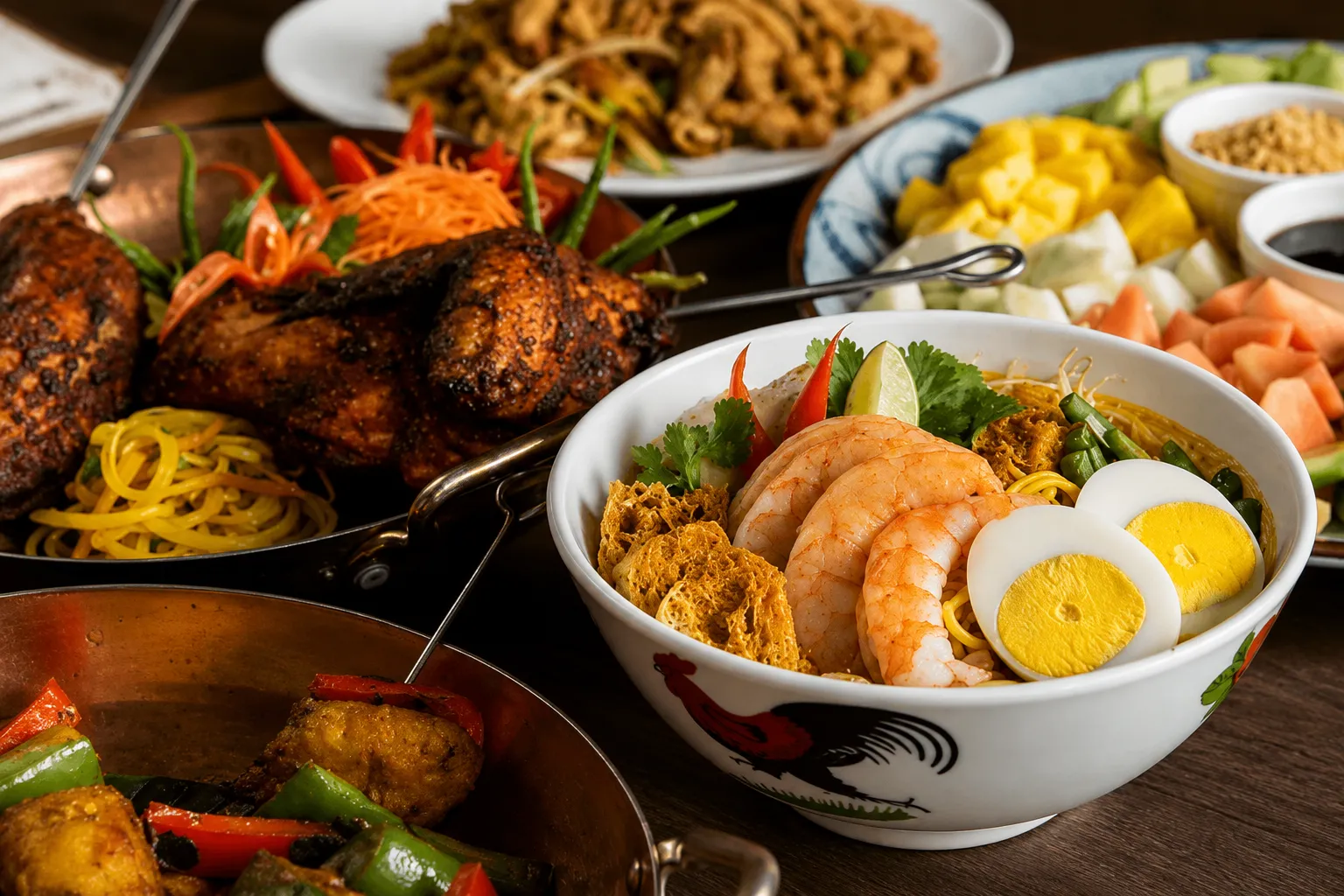
But what does that actually mean when you are eating Malaysian food?
Should you stop eating soy sauce?
Can you still eat nasi lemak?
What about instant noodles, curry, bak kut teh or sambal?
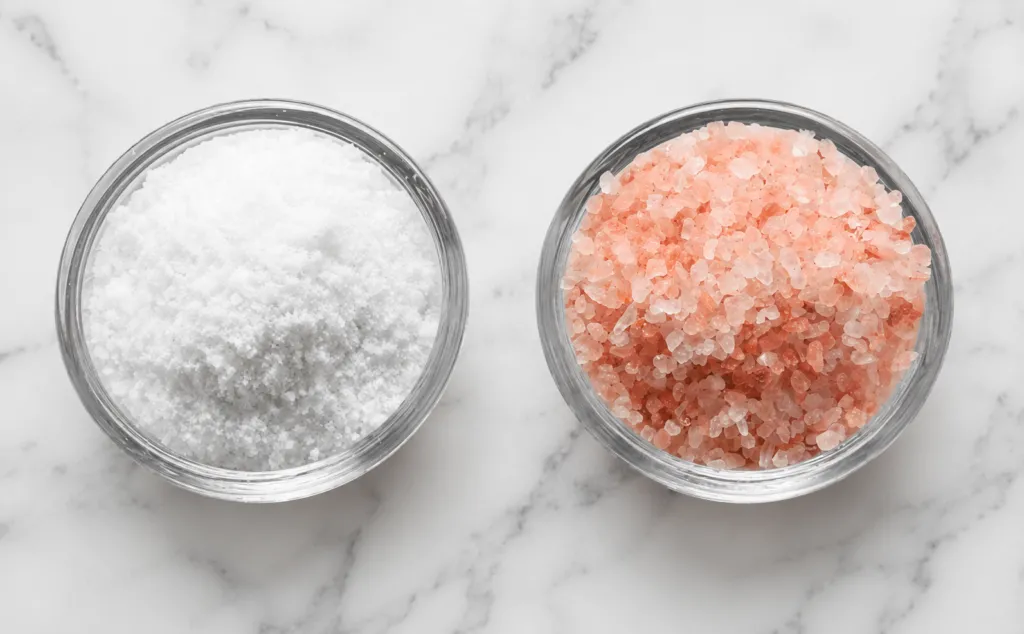
And is sea salt or Himalayan pink salt actually better for your kidneys?
The truth is that reducing sodium is not simply about putting less table salt on your food. A large amount of sodium can come from sauces, processed foods, preserved foods, instant meals and restaurant dishes that may not taste extremely salty.
For people with kidney disease, paying attention to sodium intake can be particularly important because the kidneys help regulate fluid and electrolyte balance. Excess sodium can contribute to fluid retention and higher blood pressure, which can place additional strain on the cardiovascular system and kidneys.
Malaysia’s Ministry of Health has highlighted sauces, instant noodles and processed foods as important sources of salt in the Malaysian diet.
In this guide, Dietitian90 Consultancy explains 15 common Malaysian foods and food categories that may be high in sodium, what to watch out for, and practical ways to make more kidney-friendly choices without giving up Malaysian food completely.
Important: Not everyone with kidney disease has exactly the same dietary requirements. Your recommended sodium, potassium, protein, fluid and other nutrient intake should be based on your kidney function, blood tests, medical conditions and treatment plan.
Sodium vs Salt: Are They the Same Thing?
Before looking at Malaysian foods, let’s clear up one common misunderstanding.
Salt and sodium are related, but they are not exactly the same thing.
Table salt is primarily sodium chloride.
Sodium is one component of salt and is also found in many other food ingredients and additives.
For example, sodium can be present in:
- Soy sauce
- Fish sauce
- Oyster sauce
- Stock cubes
- Processed meats
- Instant noodles
- Canned foods
- Seasoning powders
- Processed snacks
- Preserved foods
This means that simply removing the salt shaker from your dining table may not be enough.
In fact, Malaysia’s Ministry of Health has reported that sauces can be particularly high in salt, while instant noodles are another important source.
How Much Sodium Do People With Kidney Disease Need?
The appropriate amount depends on the individual and should be discussed with your healthcare team.
Current kidney disease guidance generally supports reducing dietary sodium, particularly for people with CKD who have issues such as high blood pressure or fluid retention. KDIGO guidance recommends a dietary sodium intake of less than 2 g sodium per day for people with CKD, equivalent to approximately 5 g of salt per day.
Malaysia’s older CKD clinical practice guideline similarly recommended sodium restriction for people with CKD.
However, don’t interpret this as:
“Every kidney patient must eat exactly the same diet.”
Your diet may also need to consider:
- CKD stage
- Blood pressure
- Blood sodium
- Blood potassium
- Phosphorus
- Diabetes
- Heart health
- Medications
- Fluid requirements
- Dialysis status
This is why a personalised kidney diet is often much more useful than a generic “foods to avoid” list.
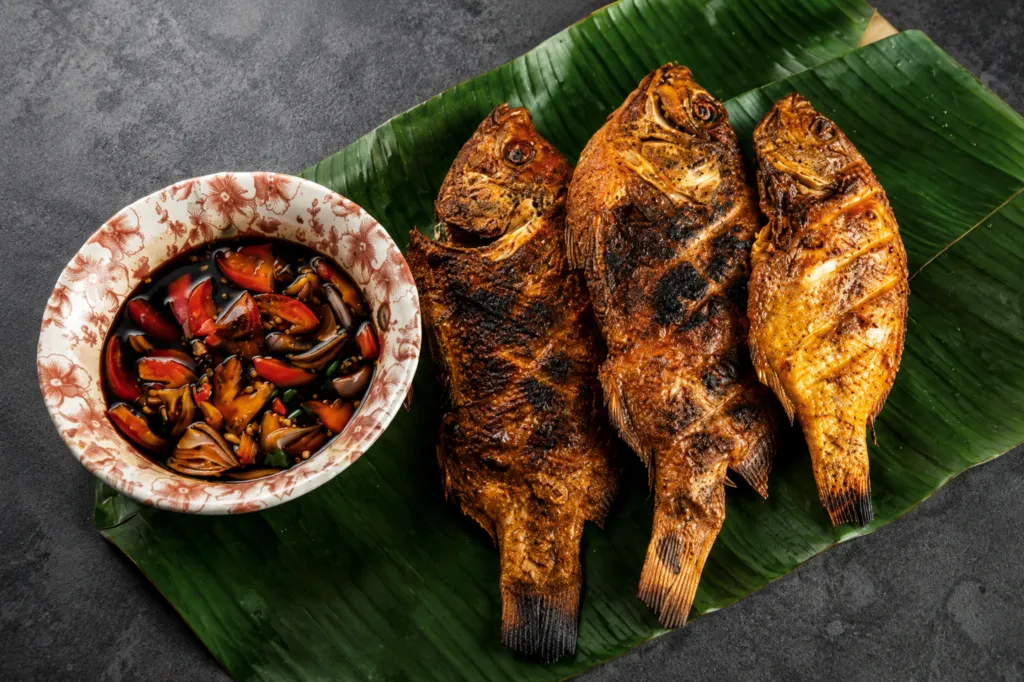
15 Malaysian Foods That May Be High in Sodium
1. Instant Noodles
Instant noodles are one of the easiest high-sodium foods to overlook.
The noodles themselves may contain sodium, but the seasoning powder, soup base and sauces can contribute substantially more.
A typical Malaysian instant noodle meal may also be combined with:
- Processed sausages
- Fish balls
- Fried ingredients
- Egg
- Additional soy sauce
- Chilli sauce
That can turn a convenient meal into a very high-sodium combination.
Better approach
If you eat instant noodles occasionally:
- Use less seasoning powder
- Don’t drink all the soup
- Add fresh vegetables where appropriate
- Choose fresh protein rather than processed meat
- Avoid adding extra soy sauce
For someone with CKD who needs stricter sodium control, a dietitian can help identify better alternatives.
2. Soy Sauce-Based Dishes
Soy sauce is a staple in Malaysian cooking.
It appears in:
- Fried rice
- Fried noodles
- Stir-fried vegetables
- Chicken dishes
- Fish dishes
- Noodle soups
- Dipping sauces
The problem is that “a little sauce” can add up quickly, especially when several sauces are used in the same dish.
Malaysia’s Ministry of Health has identified soy sauce and other sauces as important contributors to dietary salt.
Better approach
When eating out:
Ask for less sauce or sauce on the side.
This allows you to control how much you actually consume.
3. Fish Sauce, Shrimp Sauce and Other Fermented Sauces
Malaysian and Southeast Asian cuisine uses many intensely flavoured sauces.
Examples include:
- Fish sauce
- Shrimp sauce
- Budu
- Cencaluk
- Fermented seafood sauces
These products can contain significant amounts of sodium because salt is often involved in preservation and fermentation.
Malaysia’s Ministry of Health has reported particularly high salt concentrations in certain fish and shrimp sauces.
Better approach
You don’t necessarily need to eliminate every sauce.
Instead:
- Use smaller quantities
- Avoid combining multiple salty sauces
- Ask for sauces separately
- Use herbs, spices, lime or other flavourings where suitable
4. Curry and Curry Gravy
Malaysian curry can be incredibly flavourful — but the sodium may come from more than just salt.
Depending on the recipe, curry may contain:
- Salt
- Curry paste
- Stock cubes
- Soy sauce
- Seasoning powder
- Preserved ingredients
And when you consume plenty of gravy, you may be consuming more of these ingredients.
Better approach
Try:
More protein + vegetables + less gravy
rather than completely avoiding curry.
If you are eating at a restaurant, you can also ask for less gravy.
5. Bak Kut Teh
Bak kut teh is a classic Malaysian favourite, particularly in many parts of Peninsular Malaysia.
However, the soup can contain significant sodium depending on the recipe, seasoning and accompanying sauces.
The bigger issue may be the combination:
Soup + soy sauce + chilli sauce + preserved vegetables + processed ingredients
can quickly increase the overall sodium content of the meal.
Better approach
If you have CKD and want to enjoy bak kut teh:
- Be mindful of soup quantity
- Use less dipping sauce
- Limit salty preserved side dishes
- Choose fresh vegetables where available
- Balance the meal rather than focusing only on the meat
6. Salted Fish
Salted fish is preserved using salt, making it an obvious food to watch if you have been advised to reduce sodium.
It may appear in:
- Fried rice
- Porridge
- Vegetable dishes
- Homemade meals
- Sambal
- Chinese-style dishes
Even a relatively small amount can contribute significant sodium.
Better approach
Use fresh fish more often when possible.
Fresh fish can provide protein without the large amount of added salt associated with salted fish.
7. Processed Meat
Examples include:
- Sausages
- Ham
- Bacon
- Luncheon meat
- Canned meat
- Hot dogs
- Processed chicken products
Sodium is commonly used in processed meat for flavour, preservation and processing.
Malaysia’s dietary guidance identifies processed meat among foods that can be high in salt.
Better approach
Choose fresh:
- Chicken
- Fish
- Eggs
- Tofu
- Other appropriate protein sources
instead of relying heavily on processed meat.
8. Pickled and Preserved Foods
Preservation often involves salt.
Common examples include:
- Pickled vegetables
- Preserved mustard greens
- Salted vegetables
- Preserved fruits
- Pickled ginger
- Salted plums
- Preserved olives
These foods may be eaten in small portions, but frequent consumption can contribute to overall sodium intake.
Better approach
Treat preserved foods as small flavour additions rather than a major part of the meal.
9. Sambal and Chilli Sauces
Sambal may look like a small side dish, but its ingredients can vary considerably.
Depending on the recipe, sambal may contain:
- Salt
- Shrimp paste
- Soy sauce
- Preserved seafood
- Sugar
- Seasoning
Similarly, bottled chilli sauces can contain added sodium.
Better approach
You don’t necessarily need to eliminate sambal.
Instead:
Use less.
A spoonful for flavour is different from several spoonfuls covering the entire meal.
10. Canned Foods
Canned foods can be convenient, especially for busy households.
Potential examples include:
- Canned soup
- Canned meat
- Canned fish
- Canned beans
- Canned vegetables
- Canned sauces
Some products contain added salt or sodium-containing ingredients.
Better approach
Look for:
“No added salt” or “reduced sodium” versions where available.
If appropriate, draining and rinsing certain canned foods can also reduce some sodium, although the amount removed varies by food and preparation.
11. Stock Cubes and Seasoning Powders
This is one of the hidden sodium traps in home cooking.
A dish may not taste extremely salty, but the recipe might include:
- Chicken stock cube
- Beef stock cube
- Mushroom seasoning
- MSG-containing seasoning
- Instant soup powder
- Flavour enhancer
These ingredients can contribute significantly to the overall sodium content.
Better approach
Build flavour using:
- Garlic
- Ginger
- Onion
- Lemongrass
- Pepper
- Chilli
- Lime
- Herbs
- Spices
This can make food flavourful without relying entirely on salty seasonings.
12. Salted Egg and Salted Egg-Based Foods
Salted egg has become increasingly popular in Malaysian dishes.
You may find it in:
- Salted egg chicken
- Salted egg prawns
- Salted egg fish
- Salted egg chips
- Salted egg sauces
The obvious concern is the salted egg itself, but the dish may also contain additional seasoning and sauce.
Better approach
Treat salted egg dishes as an occasional choice rather than a regular meal if you have been advised to restrict sodium.
13. Savoury Snacks and Crackers
Not all high-sodium foods look like “salty food.”
Examples include:
- Potato chips
- Crackers
- Cheese-flavoured snacks
- Instant snack foods
- Savoury biscuits
- Flavoured nuts
Malaysia’s dietary guidance identifies savoury snacks among processed foods that can contribute to salt intake.
Better approach
Choose snacks with less added sodium and check the nutrition label rather than relying only on taste.
14. Restaurant and Hawker Centre Foods
This is arguably one of the biggest challenges for Malaysians with kidney disease.
Restaurant food can contain sodium from multiple sources:
Salt + sauces + seasoning powder + stock + preserved ingredients
You may not know exactly how much was used during cooking.
Common dishes that may become high in sodium depending on preparation include:
- Fried noodles
- Fried rice
- Noodle soup
- Curry noodles
- Claypot dishes
- Stir-fried dishes
- Soup-based dishes
- Sauced meat dishes
Better approach
When eating out, try:
“Less salt, less sauce, no extra seasoning.”
And when possible:
- Request sauces separately
- Don’t finish all the soup
- Choose simpler dishes
- Avoid adding extra soy sauce
- Balance the meal with appropriate fresh foods
15. Processed and Instant Convenience Foods
The final category is broader but extremely important.
Think about:
- Frozen ready-to-eat meals
- Instant porridge
- Instant soup
- Frozen processed meat
- Ready-made sauces
- Packaged meals
- Convenience-store foods
These products can contain sodium because it is used for flavour, preservation and food processing.
The Malaysian Ministry of Health notes that many processed and pre-packed foods can contain high amounts of salt, including bread, processed meat, sauces, flavour enhancers and instant noodles.
Better approach
When shopping, compare different brands and choose products with lower sodium where possible.

The Hidden Sodium Problem: “Healthy” Foods Can Still Contain Sodium
One of the biggest mistakes is thinking:
“I’m eating healthy, so I don’t need to worry about sodium.”
For example:
A meal containing grilled chicken and vegetables may sound healthy.
But if the chicken is marinated heavily in soy sauce and the vegetables are stir-fried with stock powder, the total sodium content can still be substantial.
This is why how food is prepared matters just as much as what food you choose.
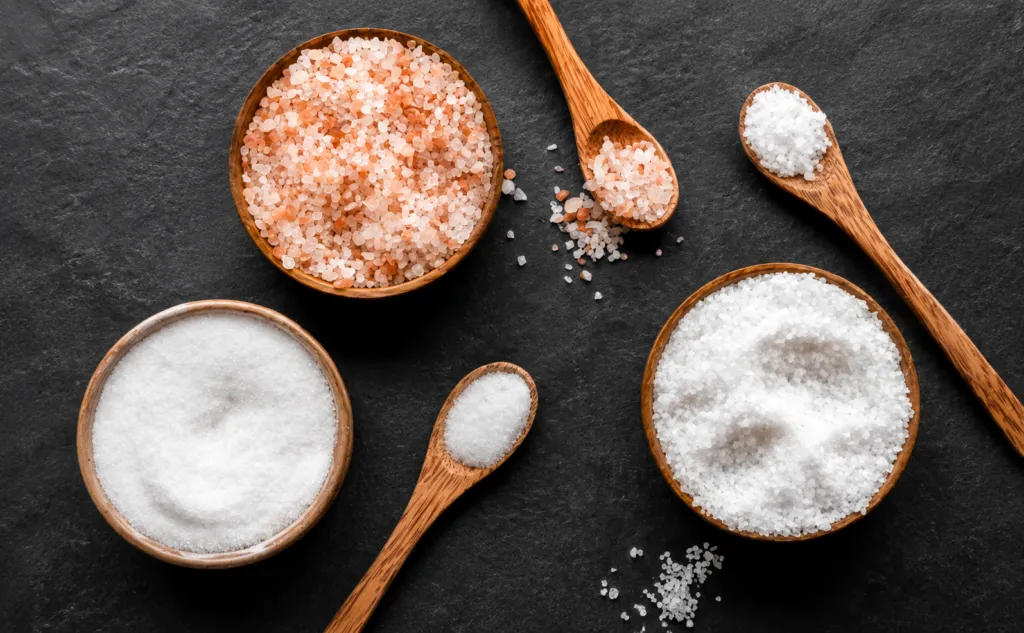
What About Himalayan Pink Salt or Sea Salt?
This is a common question.
“Can I use Himalayan pink salt because it is healthier?”
From a sodium perspective, changing the type of salt does not automatically solve the problem.
Malaysia’s dietary guidance notes that different types of salt — including sea salt and Himalayan pink salt — still contain sodium.
So:
Himalayan salt ≠ sodium-free salt
If you need to reduce sodium, the bigger goal is to reduce your overall sodium intake, regardless of whether the salt is:
- Table salt
- Sea salt
- Himalayan pink salt
- Rock salt
What About Potassium-Based Salt Substitutes?
You may have seen “low-sodium salt” or potassium-based salt substitutes in supermarkets.
These products can reduce sodium because some sodium chloride is replaced with potassium chloride.
However, people with kidney disease should not automatically switch to potassium-based salt substitutes without professional advice.
Why?
Because some people with CKD can develop high blood potassium levels, and certain medications can also increase potassium.
Malaysia’s dietary guidance specifically highlights this concern for people with kidney disease and certain medications.
So before using a potassium-based salt substitute:
Ask your doctor or dietitian first.
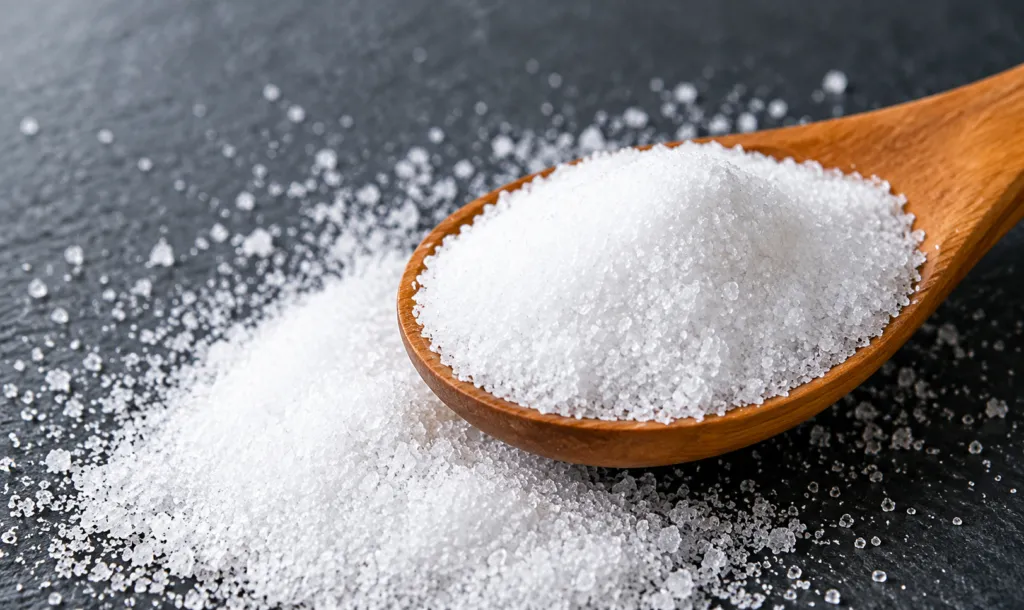
7 Simple Ways to Reduce Sodium Without Giving Up Malaysian Food
You don’t need to turn every meal into bland boiled food. Try these practical strategies.
1. Use Less Sauce
Ask for:
“Sauce on the side.”
You control the portion instead of allowing the entire dish to be coated in sauce.
2. Don’t Automatically Finish the Soup
Soup can contain significant amounts of sodium depending on how it is prepared.
3. Reduce Processed Foods
Choose fresh ingredients more often.
4. Read Food Labels
Look for sodium per serving, not just the serving size.
5. Use Herbs and Spices
Enhance flavour using:
- Garlic
- Ginger
- Chilli
- Lemongrass
- Pepper
- Turmeric
- Lime
- Coriander
6. Taste Before Adding Sauce
Don’t automatically add:
- Soy sauce
- Fish sauce
- Chilli sauce
- Salt
Taste the food first.
7. Think About Your Whole Day
One salty food isn’t the entire problem.
Look at the total sodium exposure across breakfast, lunch, dinner, snacks and drinks.
What Should a Kidney-Friendly Malaysian Meal Look Like?
Instead of asking:
“What foods can kidney patients eat?”
a better question is:
“How can I build a balanced meal that fits my kidney health?”
A dietitian may help you consider:
Carbohydrate
Choose an appropriate portion based on your energy needs and diabetes management.
Protein
The amount and type should be appropriate for your kidney function and nutritional needs.
Vegetables
Selection and portion may need to take potassium levels and kidney function into account.
Sodium
Reduce heavily salted sauces, processed foods and preserved ingredients.
Fluids
Some people with advanced kidney disease may have fluid restrictions, while others may not.
This is why there is no single “kidney diet plate” that works for everyone.
Final Takeaway: Watch the Sodium, Not Just the Salt Shaker
If you have kidney disease, reducing sodium can be an important part of managing your overall health. But sodium is not only found in table salt.
It can hide in:
- Instant noodles
- Soy sauce
- Fish sauce
- Curry
- Bak kut teh
- Processed meat
- Salted fish
- Pickled foods
- Sambal
- Canned foods
- Stock cubes
- Snacks
- Restaurant meals
The solution isn’t necessarily to eliminate every Malaysian food you enjoy.
Instead:
Choose less processed foods, reduce salty sauces and seasonings, watch portions, read food labels and make changes based on your individual kidney health.
And remember:
A kidney-friendly diet is not about eating less flavour. It’s about learning where the sodium is coming from and making smarter choices.
If you have kidney disease, diabetes or abnormal kidney blood tests and are unsure what you should eat, a personalised consultation with a qualified dietitian can help you avoid unnecessary restrictions while still supporting your kidney health.
Book a personalised consultation with Dietitian90 Consultancy and take the next step towards better diabetes and kidney health.