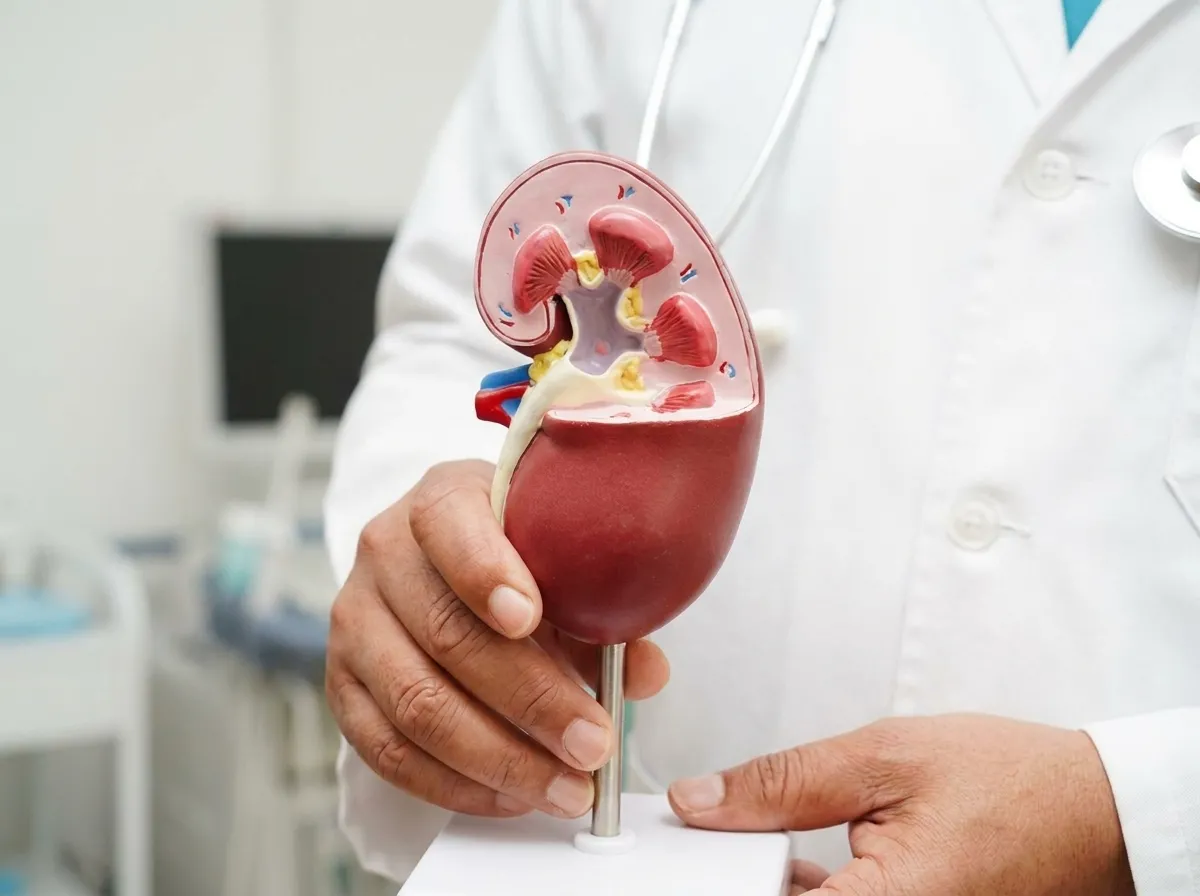
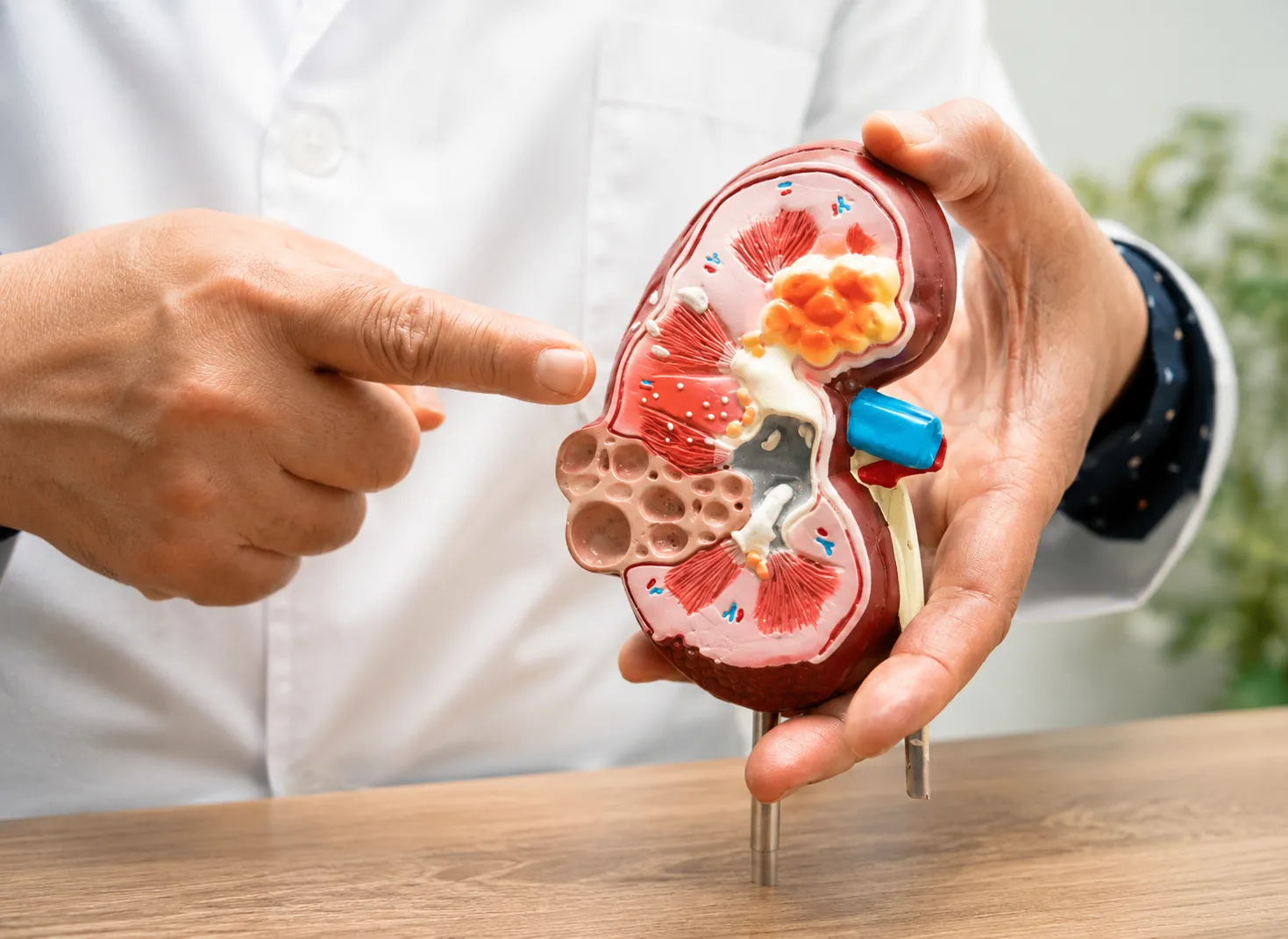

High blood sugar doesn’t only affect your blood glucose readings. Over time, it can also damage the tiny blood vessels and filtering structures inside your kidneys.
If you have diabetes, you may already know that uncontrolled blood sugar can affect your eyes, nerves and heart. But there is another organ that deserves just as much attention: Your kidneys.
Diabetes is an important risk factor for chronic kidney disease (CKD). When high blood glucose persists over time, it can place stress on the small blood vessels inside the kidneys and gradually affect their ability to filter your blood.
The process can be difficult to notice because early kidney damage may not cause obvious symptoms.
By the time swelling, fatigue or other symptoms appear, kidney function may already have declined. So, how exactly does high blood sugar cause kidney damage?
The process can be simplified as:
Persistent high blood sugar → blood vessel damage → stress on kidney filters → albumin leakage → declining kidney function → chronic kidney disease
In this article, Dietitian90 Consultancy explains the diabetes-kidney connection in simple terms, what happens inside your kidneys, the warning signs you should know, and how nutrition and diabetes management can help protect your kidney health.
How Do Your Kidneys Work?
Before understanding how diabetes damages the kidneys, it helps to understand what your kidneys actually do.
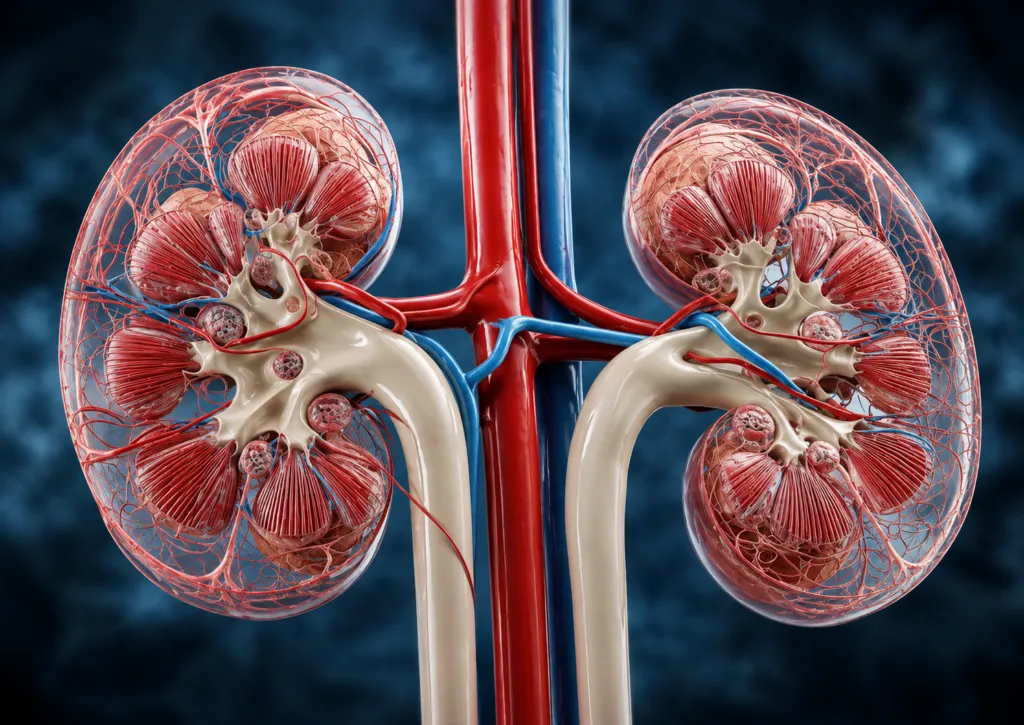
You have two kidneys, located toward the back of your abdomen.
Their most familiar function is to filter your blood and remove waste through urine. But your kidneys do much more than that.
They help your body:
- Remove waste products
- Remove excess fluid
- Maintain electrolyte balance
- Regulate blood pressure
- Maintain acid-base balance
- Support red blood cell production
- Maintain healthy bones and mineral balance
Inside each kidney are millions of microscopic filtering units called nephrons.
Each nephron contains a structure called the glomerulus, which acts as part of the kidney’s filtration system. You can think of the glomerulus as a very fine filter.
It allows certain substances to pass into the urine while retaining important components such as blood cells and most proteins in the bloodstream.
When diabetes damages this filtering system, substances that should remain in the blood — particularly albumin, an important blood protein — may begin leaking into the urine.
That can be one of the earliest measurable signs of kidney damage.
What Happens When Your Blood Sugar Stays High?
One high blood sugar reading does not mean your kidneys are being permanently damaged.
The concern is persistent or prolonged hyperglycaemia — when blood glucose remains above your individual target over an extended period.
When glucose levels remain high, several processes can contribute to damage in the small blood vessels and tissues of the kidneys.
In simple terms:
Step 1
Blood glucose remains high.
Step 2
The tiny blood vessels and kidney filtering structures are exposed to ongoing metabolic stress.
Step 3
The filtration system can become damaged or abnormally pressured.
Step 4
Albumin may begin leaking into the urine.
Step 5
Kidney function may gradually decline.
Step 6
Persistent kidney abnormalities can develop into chronic kidney disease.
This is why managing diabetes is not simply about achieving a “good sugar reading.”
It is also about protecting the organs that are exposed to the effects of diabetes over many years.

How Does High Blood Sugar Damage the Kidney Filters?
This is where the science becomes more interesting.
The kidney’s glomeruli contain a network of tiny blood vessels designed for filtration.
Persistent high blood glucose can contribute to changes in these blood vessels and surrounding kidney tissues.
Over time, the filtering barrier can become abnormal. The kidney may initially respond by increasing filtration. This is sometimes referred to as hyperfiltration.
At first, this may not feel like a problem.
You may have:
- No pain
- No swelling
- No obvious change in urine
- No noticeable kidney symptoms
But ongoing metabolic and haemodynamic stress can contribute to structural changes in the kidney.
These changes may eventually result in increased leakage of albumin into the urine and, in some people, a gradual decline in kidney function. This is one reason diabetic kidney disease can be a silent condition.
What Is Albuminuria?
One of the most important terms to understand is albuminuria.
Albumin is a protein found in your blood.
Healthy kidneys generally prevent significant amounts of albumin from passing into your urine. If the kidney’s filtration barrier becomes damaged, albumin can leak through. This is called albuminuria.
A commonly used test is the:
Urine Albumin-to-Creatinine Ratio (UACR)
A urine sample can be tested to determine whether albumin is present at an increased level.
This is important because:
You may have albuminuria before you experience obvious symptoms of kidney disease.
That makes urine testing an important part of monitoring kidney health in people with diabetes.
Malaysia’s clinical practice guidance for Type 2 diabetes recommends assessment of albuminuria and eGFR when screening for diabetic kidney disease.
What Is eGFR and Why Does It Matter?
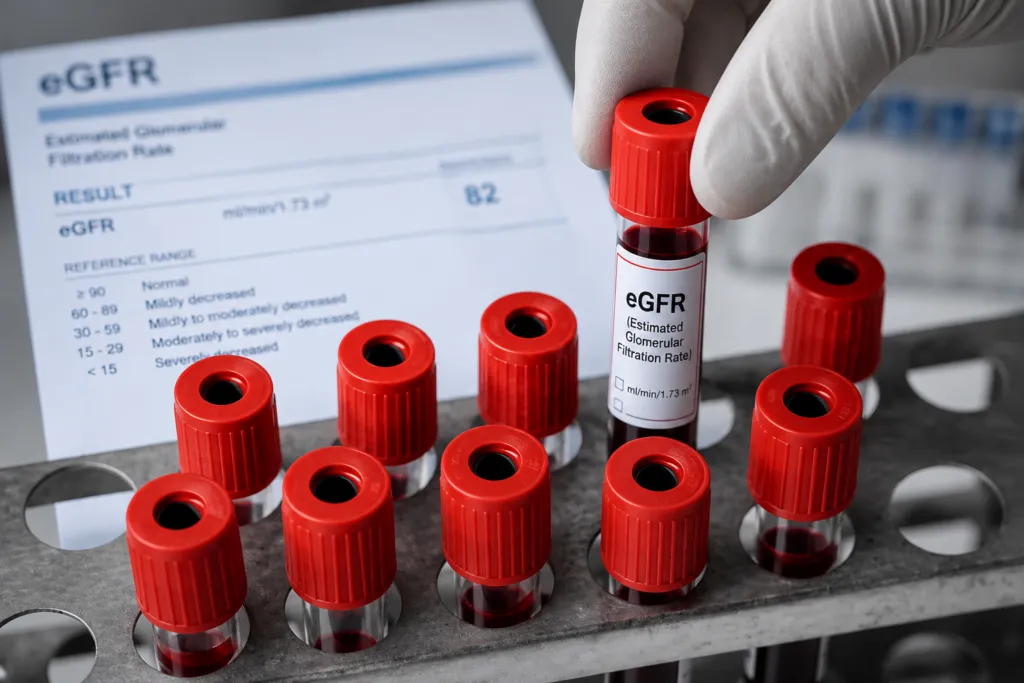
Another term you may encounter when checking your kidneys is: eGFR — estimated glomerular filtration rate.
In simple terms, eGFR estimates how well your kidneys are filtering your blood. Your healthcare professional can calculate eGFR using your blood test results and other information.
Generally:
Higher eGFR → better filtering function
Lower eGFR → reduced kidney filtration
However, one abnormal result does not automatically mean you have chronic kidney disease. CKD involves abnormalities of kidney structure or function that persist over time.
This is why your doctor may monitor your kidney function through repeated blood and urine tests.
Does High Blood Sugar Always Cause Kidney Disease?
No.
Having diabetes increases your risk of kidney disease, but it does not mean that kidney damage is inevitable.
Your overall risk can be affected by factors such as:
- Duration of diabetes
- Blood glucose control
- Blood pressure
- Albuminuria
- Existing kidney function
- Smoking
- Cardiovascular health
- Body weight
- Other medical conditions
- Medication adherence
This is important because some people may think:
“I have diabetes, so kidney failure is unavoidable.”
That is not the right conclusion.
A better way to think about it is:
“I have diabetes, so I should monitor and actively protect my kidney health.”
What Are the Warning Signs of Diabetes-Related Kidney Damage?
One of the biggest challenges is that early diabetic kidney disease may have no obvious symptoms. That is why screening is so important.
As kidney disease becomes more advanced, some people may experience:
1. Swelling
Particularly around the:
- Ankles
- Feet
- Legs
2. Changes in urination
Such as changes in frequency, volume or appearance.
3. Foamy urine
This can sometimes occur when there is increased protein in the urine, although it is not specific to kidney disease.
4. Persistent fatigue
Advanced kidney disease can contribute to fatigue and weakness.
5. Poor appetite or nausea
These may occur in more advanced disease.
But don’t wait for these symptoms before checking your kidneys. The earlier stages can be silent.
Can High Blood Sugar Cause Kidney Failure?
It can contribute to it.
Persistent diabetes-related kidney damage can progress through stages of chronic kidney disease. In severe cases, kidney function may eventually become critically impaired, resulting in kidney failure.
However, this progression is not inevitable.
The goal is to identify kidney abnormalities early and manage the factors that can be modified. This may involve:
- Blood glucose management
- Blood pressure management
- Appropriate medications
- Kidney monitoring
- Healthy eating
- Physical activity
- Weight management
- Avoiding smoking
- Individualised nutrition care
The earlier kidney problems are identified, the more opportunities your healthcare team may have to manage the condition.

Can Improving Blood Sugar Help Protect Your Kidneys?
Yes, appropriate diabetes management is an important part of reducing the risk of diabetes-related complications, including kidney disease.
But kidney protection is not simply:
“Eat less sugar.”
The bigger picture includes:
Blood glucose + blood pressure + overall diet + physical activity + medication + kidney monitoring + individual risk factors
This is particularly important for people who have both diabetes and CKD. Their dietary requirements may become more complex because nutrition recommendations may need to account for:
- Carbohydrate intake
- Protein requirements
- Sodium
- Potassium
- Phosphorus
- Energy intake
- Fluid requirements
That is why simply copying a “diabetic diet” from the internet may not be appropriate for someone who also has kidney disease.
What Should You Eat to Protect Your Kidneys If You Have Diabetes?
This is one of the most important questions — and unfortunately, there is no universal food list that works for everyone.
A good starting point is to focus on overall dietary quality and appropriate portions, while adjusting specific nutrients according to your health condition.
Depending on your needs, a dietitian may help you:
Manage carbohydrate portions
Instead of completely eliminating rice or noodles, focus on appropriate portions and better overall meal balance.
Reduce added sugars
Be mindful of:
- Sweetened drinks
- Teh tarik
- Sweetened coffee
- Desserts
- Cakes
- Sweet snacks
- Sugary sauces
Reduce excessive sodium
Pay attention to:
- Soy sauce
- Fish sauce
- Stock cubes
- Instant noodles
- Processed meats
- Preserved foods
- Restaurant sauces
Choose appropriate protein
Protein needs should be personalised according to kidney function and nutritional status.
Choose appropriate fats
Prioritise overall dietary quality and healthier fat sources while limiting excessive saturated and trans fats.
Eat appropriate amounts
Even nutritious foods can contribute excess energy if portions are consistently too large.
7 Practical Ways to Protect Your Kidneys If You Have Diabetes
1. Know Your HbA1c
Don’t manage your diabetes based solely on how you feel.
Ask your healthcare professional what your individual HbA1c target should be.
2. Know Your Kidney Numbers
Ask about:
- eGFR
- Urine albumin/UACR
Understanding your results gives you a clearer picture of your kidney health.
3. Monitor Your Blood Pressure
Blood pressure control is an important part of protecting kidney function.
4. Reduce Excess Sodium
Especially from:
- Processed foods
- Instant noodles
- Sauces
- Stock cubes
- Preserved foods
- Restaurant meals
5. Be Careful With Sugary Drinks
Liquid sugar can make it easy to consume large amounts of carbohydrate without feeling particularly full.
Common examples include:
- Teh tarik
- Milo ais
- Kopi susu
- Soft drinks
- Sweetened fruit drinks
- Bubble tea
Choose water or unsweetened drinks more often where appropriate.
6. Stay Physically Active
Regular physical activity supports:
- Insulin sensitivity
- Cardiovascular health
- Weight management
- Overall metabolic health
Your exercise plan should be appropriate for your health and physical ability.
7. Don’t Wait for Symptoms
This may be the most important point.
Kidney disease can develop quietly.
If you have diabetes, regular monitoring is much more useful than waiting for swelling, fatigue or urinary changes.
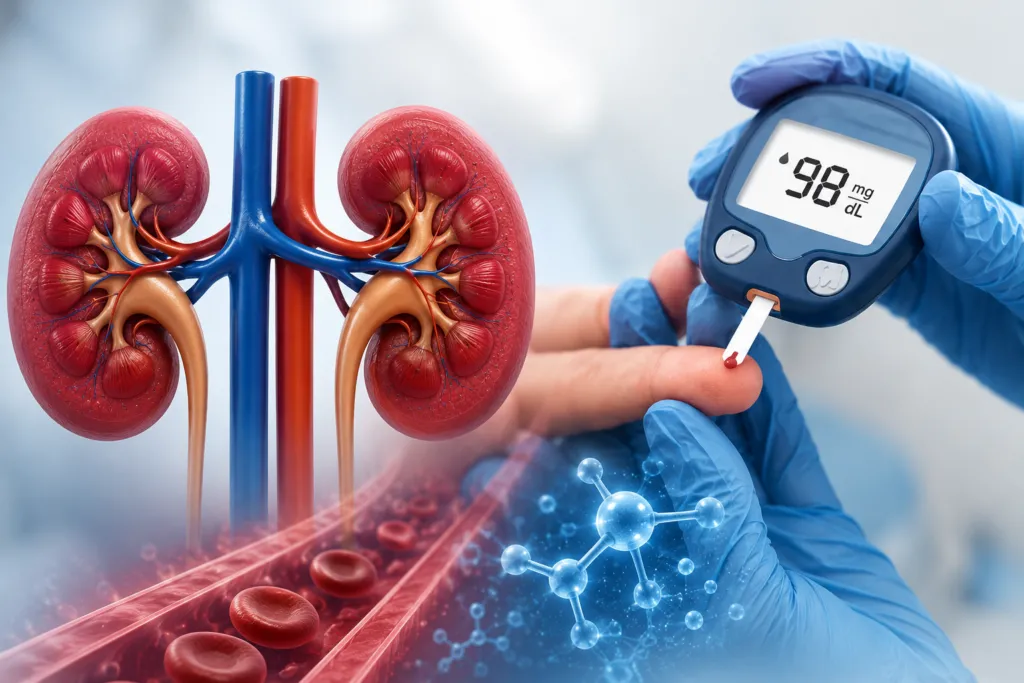
Diabetes + Kidney Disease: Why Nutrition Gets More Complicated
This is particularly important for people who have both diabetes and CKD. You may receive two sets of advice.
For diabetes:
“Watch your carbohydrate intake.”
For kidney disease:
“Watch your sodium, protein, potassium or phosphorus.”
But these recommendations cannot simply be combined into one generic “kidney diabetes diet.” Your individual nutritional requirements need to be considered together.
For example, someone may need to manage:
Blood glucose
while also considering:
Blood pressure + sodium + kidney function + potassium + protein + overall energy intake
This is why personalised nutrition counselling can be valuable.
How Dietitian90 Consultancy Can Help
At Dietitian90 Consultancy, nutrition counselling is not about giving you a generic list of “good foods” and “bad foods.”
The focus is on helping you understand how to make realistic dietary changes based on your individual health needs.
This can be particularly valuable if you have:
- Diabetes
- Prediabetes
- High blood sugar
- Chronic kidney disease
- High blood pressure
- High cholesterol
- Weight management concerns
- Diabetes and kidney disease together
Rather than asking you to completely abandon Malaysian food, a personalised approach can help you understand how to make more practical choices in your everyday life.
That may include learning how to manage meals at:
- Hawker centres
- Kopitiams
- Mamak restaurants
- Chinese restaurants
- Malay restaurants
- Food courts
- Family gatherings
Because the best diet is not necessarily the one that looks perfect on paper. It is the one you can realistically follow while supporting your health.
If you have diabetes, abnormal kidney test results, or are concerned about your future kidney health, speak to a qualified healthcare professional or dietitian for advice tailored to your condition.
Protect your kidneys before problems become harder to manage.
Book a personalised consultation with Dietitian90 Consultancy and take the next step towards better diabetes and kidney health.