

Managing diabetes and kidney disease together can feel confusing. One diet tells you to eat more vegetables and whole grains, while another warns you about potassium, phosphorus and protein. So, what can you actually eat?
If you are living with both diabetes and chronic kidney disease (CKD), you may have experienced this frustration.
Your doctor advises you to control your blood sugar. You start choosing healthier carbohydrates, eating more vegetables and reducing sugary drinks.
Then you discover that your kidney function has declined.
Suddenly, you hear different advice:
- “Be careful with protein.”
- “Some fruits contain too much potassium.”
- “Reduce salt and processed foods.”
- “Watch your phosphorus intake.”
Does this mean you need to stop eating rice, fruits, vegetables, meat and dairy products altogether?
Not necessarily.
The most important thing to understand is that a diabetes and kidney disease diet must address both conditions together. Your nutritional needs depend on your kidney function, blood test results, medications, dialysis status and overall health.
At Dietitian90 Consultancy, we believe nutrition guidance should be practical, personalised and relevant to your everyday Malaysian meals.
This guide explains what to eat when you have diabetes and kidney disease, which foods may need adjusting, and how to make better choices without unnecessarily restricting everything you enjoy.
Understanding the Connection Between Diabetes and Kidney Disease
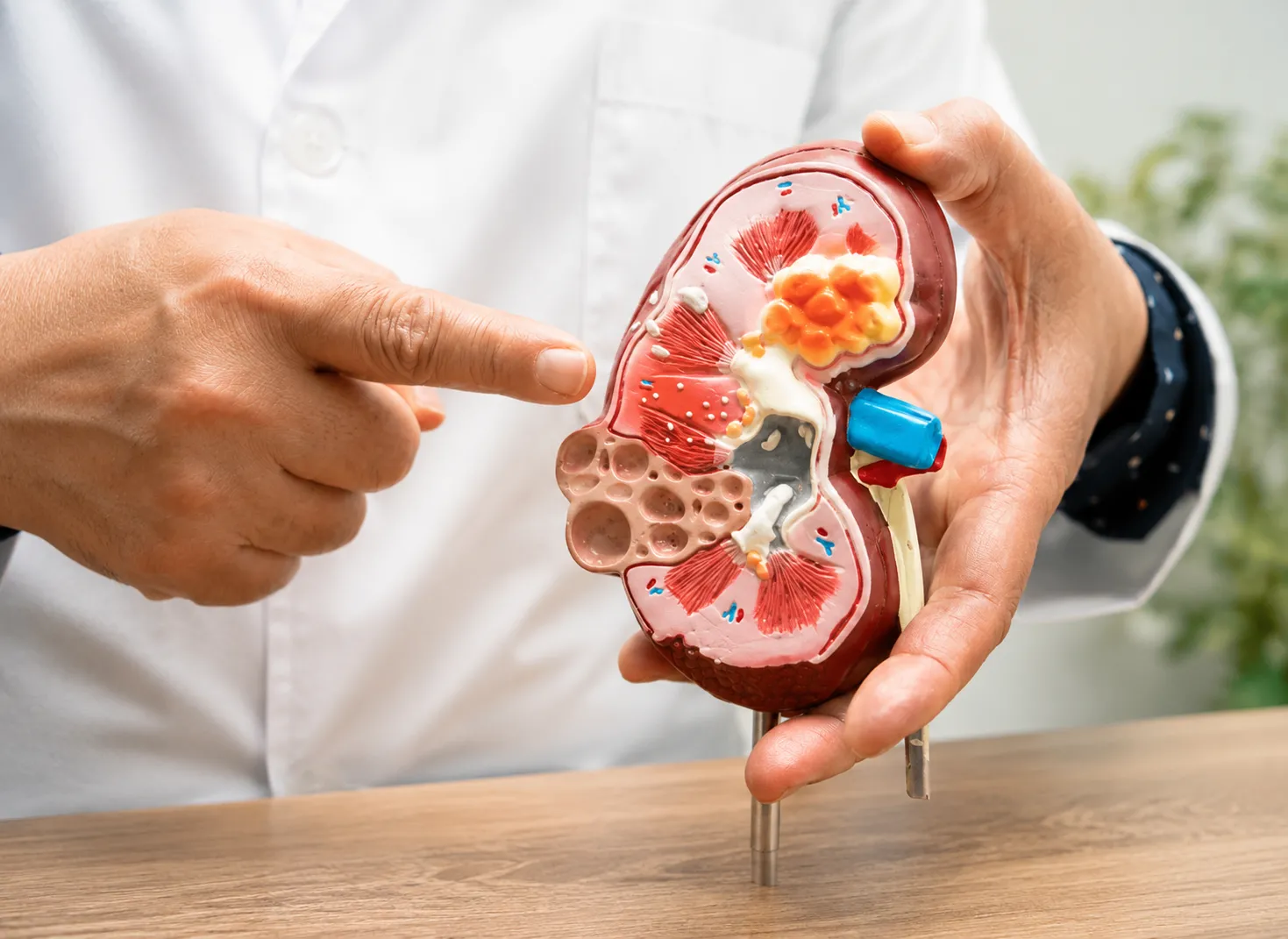
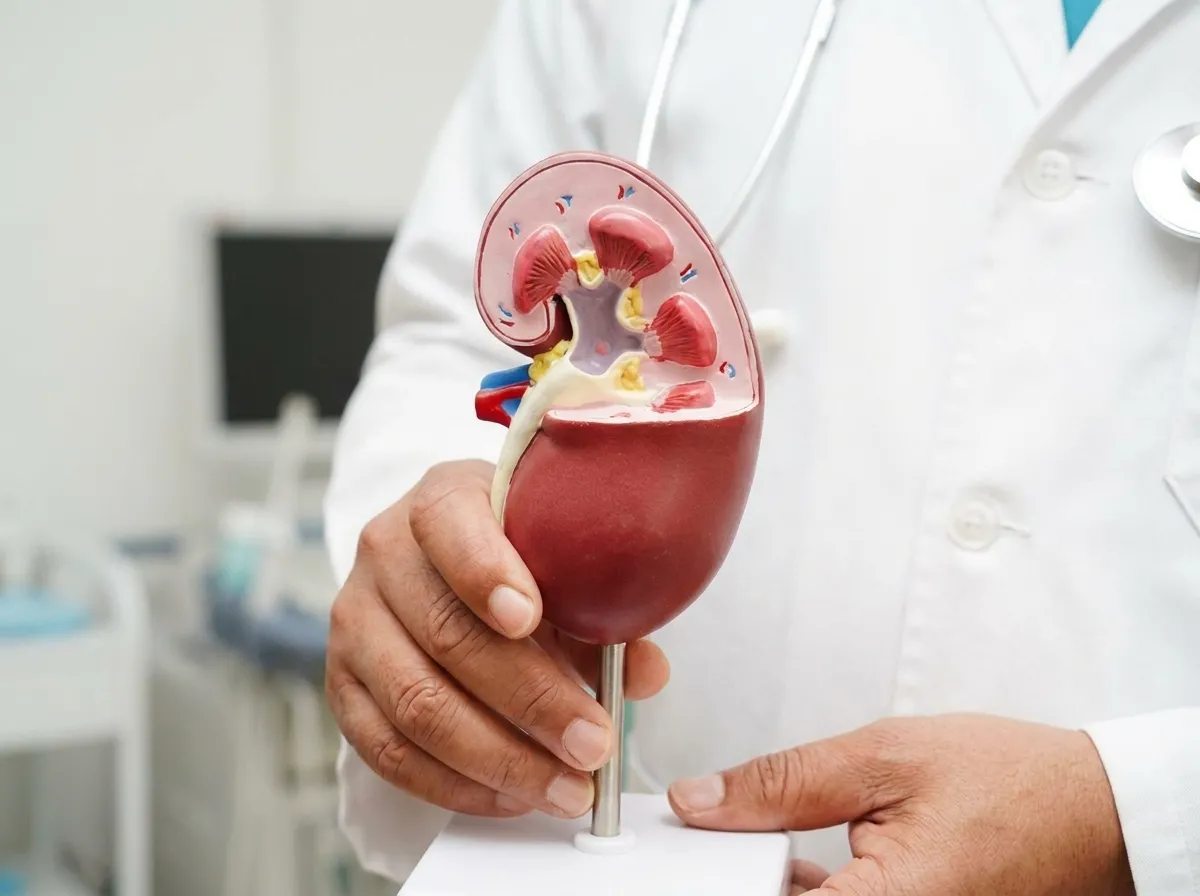
Your kidneys help filter waste products and excess fluid from your blood. They also regulate important minerals and contribute to blood pressure control.
When blood glucose remains elevated over time, it can damage the small blood vessels and filtering structures inside the kidneys.
This may lead to diabetic kidney disease, a form of kidney damage associated with diabetes.
As kidney function declines, your body may become less efficient at removing certain waste products and maintaining the correct balance of minerals and fluids.
That is why nutrition becomes increasingly important.
Managing diabetes focuses partly on controlling blood glucose, while kidney nutrition may require additional attention to protein, sodium, potassium, phosphorus and fluid intake.
The challenge is finding a balance that supports both conditions.

Why Is a Diabetes and Kidney Disease Diet Different?
A conventional diabetes eating plan generally emphasises balanced carbohydrate portions, fibre-rich foods, vegetables, appropriate protein and healthier fats.
A kidney-friendly diet may share many of these principles, but additional modifications can become necessary as CKD progresses.
Consider these examples:
Common diabetes advice | Additional kidney considerations |
| Choose high-fibre carbohydrates | Whole grains may need portion adjustments depending on phosphorus, potassium and overall needs |
| Eat more fruits and vegetables | Potassium intake may need modification if blood potassium is elevated |
| Include adequate protein | Protein amounts may need adjustment, particularly in non-dialysis CKD |
| Choose milk or yogurt without added sugar | Some dairy products contribute phosphorus and potassium |
| Reduce sugary drinks | Certain beverages may also contribute potassium, phosphorus or excess fluid |
The key message: a food can be nutritious but still require portion adjustments for a particular person’s kidney condition.
However, not everyone with CKD needs to restrict potassium, phosphorus or whole grains.
Your blood results and treatment plan determine which restrictions are appropriate.
1. Carbohydrates: Can You Still Eat Rice and Noodles?
One of the most common questions among Malaysians with diabetes is:
“Can I still eat rice if I have diabetes and kidney disease?”
Yes, rice can still be part of your diet.
The more important considerations are your carbohydrate portion, meal composition, blood glucose response and individual kidney-related dietary requirements.
Carbohydrates are found in foods such as:
- White rice and brown rice
- Noodles, bee hoon and kuey teow
- Bread and chapati
- Oats and cereals
- Potatoes and sweet potatoes
- Fruits
- Milk and yogurt
Carbohydrates affect blood glucose, but they also provide energy.
Eliminating them entirely is not necessary for most people and may make it difficult to meet nutritional requirements.
White Rice vs Brown Rice: Which Is Better?
Brown rice generally contains more fibre than white rice, making it a useful option for many people managing diabetes.
However, brown rice also contains more naturally occurring phosphorus and potassium.
For someone with early CKD and normal mineral levels, brown rice may still be suitable.
For someone with advanced CKD who has specific mineral restrictions, white rice may sometimes be a more practical choice.
Neither type of rice is automatically the best option for every person with diabetes and CKD.
A dietitian can help determine the appropriate type and portion based on your individual needs.
Dietitian90’s Tip
Instead of immediately removing rice from your meals, start by reviewing how much you eat and what you pair it with.
For example, a plate of rice with an appropriate portion of fresh fish and vegetables may be easier to balance than a large serving of fried rice accompanied by sweetened drinks.
2. Protein: How Much Chicken, Fish, Eggs or Tofu Can You Eat?
Protein is essential for maintaining muscles, repairing tissues and supporting overall health.
However, protein metabolism also produces waste products that the kidneys help remove.
For people with non-dialysis CKD, excessive protein intake may be inappropriate.
At the same time, eating too little protein can contribute to muscle loss and malnutrition.
Common Protein Sources in Malaysia
- Chicken
- Fish
- Eggs
- Lean meat
- Tofu
- Tempeh
- Beans and legumes
- Milk and yogurt
For many adults with diabetes and CKD who are not receiving dialysis, clinical guidelines commonly recommend approximately 0.8 grams of protein per kilogram of body weight per day, although individual needs vary.
For example, 0.8 × 60 kg equals approximately 48 grams of protein per day.
This is an illustration, not a prescription. A dietitian may need to adjust the calculation based on your clinical condition, body composition, nutritional status and treatment.
What About Dialysis Patients?
Protein requirements are generally higher for people receiving dialysis because treatment and other factors can increase the risk of protein-energy wasting.
Therefore, a low-protein diet designed for non-dialysis CKD should not automatically be followed by someone receiving dialysis.
Dietitian90’s Tip
Avoid starting a high-protein diet, taking protein supplements or eliminating protein-rich foods without understanding your kidney function and nutritional needs.
The goal is the right amount of protein, not simply more or less.
3. Sodium: Why Reducing Salt Matters for Your Kidneys
Sodium is one of the most important nutrients to monitor in many people with CKD.
Excessive sodium intake can contribute to:
- High blood pressure
- Fluid retention
- Swelling
- Increased cardiovascular strain
This is particularly relevant because diabetes, high blood pressure and kidney disease frequently occur together.
Malaysian Foods That May Be High in Sodium
Common examples include:
- Instant noodles
- Salted fish
- Processed sausages and luncheon meat
- Soy sauce-based dishes
- Bak kut teh soup
- Curry gravy
- Pickled vegetables
- Stock cubes and seasoning powders
- Canned soups
- Salty snacks
Many of these foods contain sodium even when you do not add table salt.
How Can You Reduce Sodium?
Try these practical changes:
At home: Use less soy sauce, stock powder and salt. Add flavour with garlic, ginger, lemongrass, pepper, herbs and spices.
At restaurants: Request less sauce, gravy or seasoning where possible.
When shopping: Compare sodium content on food labels and choose lower-sodium options.
For soups: Be mindful of how much broth you consume, especially when it is heavily seasoned.
Kidney guidelines commonly suggest limiting sodium to less than approximately 2,000 mg per day, equivalent to around 5 g of salt, although your healthcare team may recommend a different target.
4. Potassium: Do Kidney Patients Need to Avoid Bananas and Vegetables?
Potassium is a mineral that helps your muscles, nerves and heart function normally.
Your kidneys play an important role in maintaining the correct potassium balance.
When kidney function becomes impaired, some people develop high blood potassium, also called hyperkalaemia.
However, not everyone with CKD has elevated potassium.
This distinction matters because many nutritious foods naturally contain potassium.
Foods That Can Contribute Potassium
Examples include:
- Bananas
- Oranges
- Avocados
- Potatoes
- Tomatoes
- Spinach
- Coconut water
- Certain beans and legumes
Does this mean you must avoid them all?
No.
If your potassium levels are within your healthcare team’s target range, broad restrictions may be unnecessary.
If your potassium is elevated, your dietitian can help identify which foods, portions and preparation methods need adjustment.
What About Coconut Water?
Coconut water is often marketed as a natural and healthy drink.
However, it can contain substantial potassium.
For someone with high blood potassium or advanced CKD, drinking large amounts may be inappropriate.
For someone without a potassium restriction, the advice may be different.
Dietitian90’s Tip
Do not automatically stop eating all fruits and vegetables after receiving a CKD diagnosis.
Instead, ask:
“What is my latest blood potassium level, and do I actually need a potassium restriction?”
This is a much more useful starting point.
5. Phosphorus: Should You Avoid Milk, Nuts and Whole Grains?
Phosphorus is important for bones, teeth and many functions inside the body.
However, as CKD progresses, the kidneys may become less effective at maintaining phosphorus balance.
High phosphorus levels can contribute to complications involving bones, blood vessels and mineral metabolism.
Where Is Phosphorus Found?
Phosphorus occurs naturally in foods such as:
- Milk and cheese
- Meat and fish
- Nuts and seeds
- Beans and legumes
- Whole grains
It can also be added to processed foods.
Examples include certain:
- Processed meats
- Packaged foods
- Processed cheese products
- Cola beverages
- Foods containing phosphate additives
An important difference is that phosphate additives are generally absorbed more readily than phosphorus naturally present in many plant foods.
This means checking ingredient lists can be useful, especially when phosphorus restriction is necessary.
Look for ingredients containing terms such as phosphate or phosphoric acid.
Dietitian90’s Tip
Do not eliminate milk, nuts or whole grains simply because they contain phosphorus.
Your dietary adjustments should reflect your blood results, CKD stage and nutritional requirements.
6. Fats: Choosing Better Options for Heart and Kidney Health
People with diabetes and CKD also have an increased risk of cardiovascular disease.
That makes the quality of dietary fats important.
Try to choose more unsaturated fats from appropriate sources, such as:
- Olive oil
- Canola oil
- Certain nuts and seeds, where suitable
- Fish
At the same time, moderate foods high in saturated fats, such as fatty processed meats and heavily fried foods.
You do not need to eliminate all fat.
Instead, consider the type, quantity and frequency of the fats you consume.
7. Fluids: How Much Water Should You Drink?
You may have heard that drinking more water helps flush toxins from your kidneys.
However, more water is not always better for someone with kidney disease.
Fluid requirements depend on factors such as:
- Kidney function
- Urine output
- Swelling
- Heart function
- Dialysis treatment
- Other medical conditions
Some people with early CKD may not need a fluid restriction.
Others, particularly those with advanced CKD or receiving dialysis, may need to monitor fluid intake carefully.
Do not force yourself to drink excessive amounts of water in an attempt to improve kidney function.
Ask your healthcare team whether you have a specific fluid target.

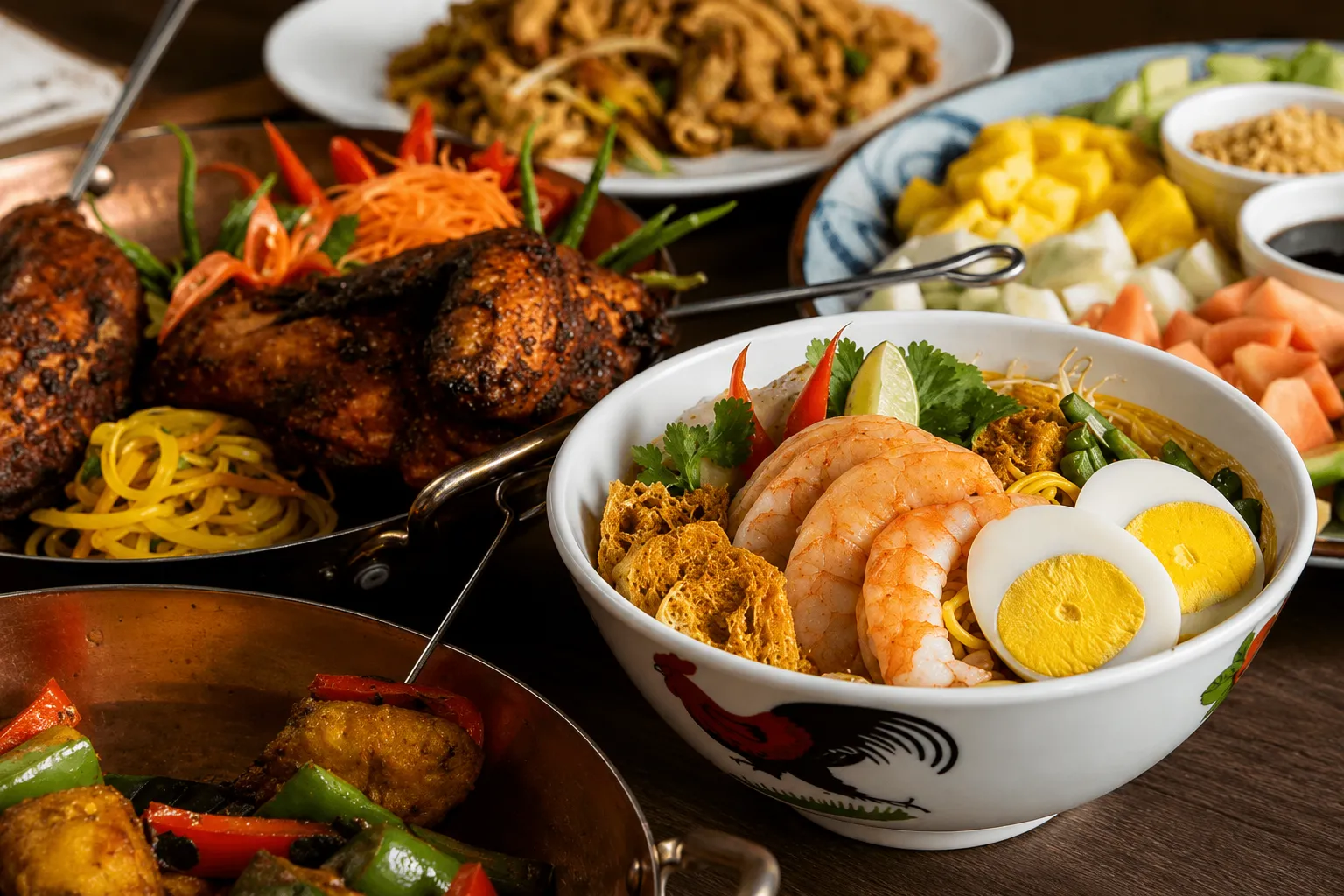
What Can You Eat? A Practical Malaysian Meal Guide
The following examples show how familiar Malaysian foods can be adapted.
They are general meal ideas, not a prescribed diet for every CKD stage.
| Meal | Possible choice | What to consider |
| Breakfast | Toast with egg and unsweetened tea | Bread portion, protein allowance and sodium |
| Lunch | Rice with steamed fish and stir-fried vegetables | Rice portion, fish portion, sauces and potassium needs |
| Afternoon snack | An appropriate portion of fruit | Carbohydrate portion and potassium level |
| Dinner | Rice or noodles with chicken and vegetables | Protein allowance, seasoning and carbohydrate portion |
| Drinks | Water or unsweetened beverages | Individual fluid restriction, if any |
Example: Eating Economy Rice
Economy rice is popular because you can choose different dishes.
A more balanced selection might include:
- An appropriate portion of rice
- One suitable protein dish
- A vegetable dish
- Less gravy and sauce
However, the specific portions and vegetables should be adjusted according to your nutritional assessment.
Example: Eating Chicken Rice
Chicken rice may still fit into an individualised eating plan.
Consider the rice portion, chicken preparation, sauces and soup.
Choosing less sauce and avoiding excessive soup consumption may help reduce sodium.
Example: Eating at a Mamak Restaurant
Instead of focusing only on whether a food is allowed, consider the entire meal.
For example, when ordering chapati with dhal, the carbohydrate portion, sodium in the dhal and overall protein requirements may all be relevant.
If you have potassium or phosphorus restrictions, your dietitian may recommend further adjustments.

A Sample One-Day Malaysian Eating Plan
Below is an illustrative meal pattern for an adult managing diabetes and CKD.
It is not suitable as a universal prescription, particularly for people with advanced CKD, abnormal potassium or phosphorus, poor appetite, pregnancy or dialysis.
Breakfast
Wholemeal or white toast, depending on individual requirements, with an egg and an unsweetened drink.
Lunch
A measured portion of rice with freshly prepared fish or chicken and suitable vegetables, using minimal salty sauces.
Afternoon Snack
A portion of fruit selected according to carbohydrate needs and potassium results.
Dinner
Rice or noodles with an appropriate portion of protein and vegetables, prepared with less salt and fewer processed seasonings.
What Makes This Meal Pattern Different?
It considers more than blood sugar alone.
The actual plan must be adjusted for:
Carbohydrates + protein + sodium + potassium + phosphorus + total energy + fluid needs.
That is why two people with diabetes and CKD may receive different meal plans, even if they are the same age.

7 Common Diet Mistakes When Managing Diabetes and Kidney Disease
Mistake 1: Avoiding All Carbohydrates
Carbohydrates provide energy. Completely removing them may make it harder to maintain adequate nutrition and can be risky when diabetes medications are not adjusted appropriately.
Mistake 2: Eating Excessive Protein
A high-protein diet may be unsuitable for some people with non-dialysis CKD.
Mistake 3: Avoiding All Fruits
Not everyone with CKD requires potassium restriction. Fruit choices should reflect individual blood glucose and potassium needs.
Mistake 4: Assuming Brown Rice Is Always Better
Brown rice may offer more fibre, but white rice can sometimes be appropriate when certain mineral restrictions apply.
Mistake 5: Using Low-Sodium Salt Without Checking
Some salt substitutes contain potassium chloride, which may be unsuitable for people at risk of high blood potassium.
Mistake 6: Following a Dialysis Diet When You Are Not on Dialysis
Protein and other nutritional requirements can differ significantly between non-dialysis CKD and dialysis.
Mistake 7: Following a Generic Online Kidney Diet
Restricting too many foods can lead to poor nutritional intake, unnecessary anxiety and difficulty maintaining a sustainable eating pattern.
How Dietitian90 Consultancy Can Help
At Dietitian90 Consultancy, we understand that living with diabetes and kidney disease can make everyday eating decisions feel complicated.
You may be unsure whether you should eat rice, how much protein you need, which fruits are suitable or how to manage meals outside the home.
Personalised dietitian counselling can help you better understand your nutritional needs and develop practical strategies for daily eating.
Rather than simply handing you a list of foods to avoid, the aim is to help you make informed choices based on your health condition and lifestyle.
Whether you regularly eat at home, visit hawker centres or dine with family, your nutrition plan should be realistic enough to follow.
Final Takeaway: Eat According to Your Needs, Not Someone Else’s Food List
If you have both diabetes and chronic kidney disease, your diet may need more careful planning — but that does not mean you must stop enjoying Malaysian food.
The most important principles are to manage carbohydrate portions, reduce excessive sodium, consume an appropriate amount of protein and adjust potassium, phosphorus or fluids only when necessary.
Your kidney function, blood tests, treatment and nutritional status should guide your diet.
Instead of asking, “What foods must I avoid forever?”, ask:
“What foods and portions are appropriate for my current health condition?”
That is the foundation of a sustainable, personalised diabetes and kidney-friendly eating plan.