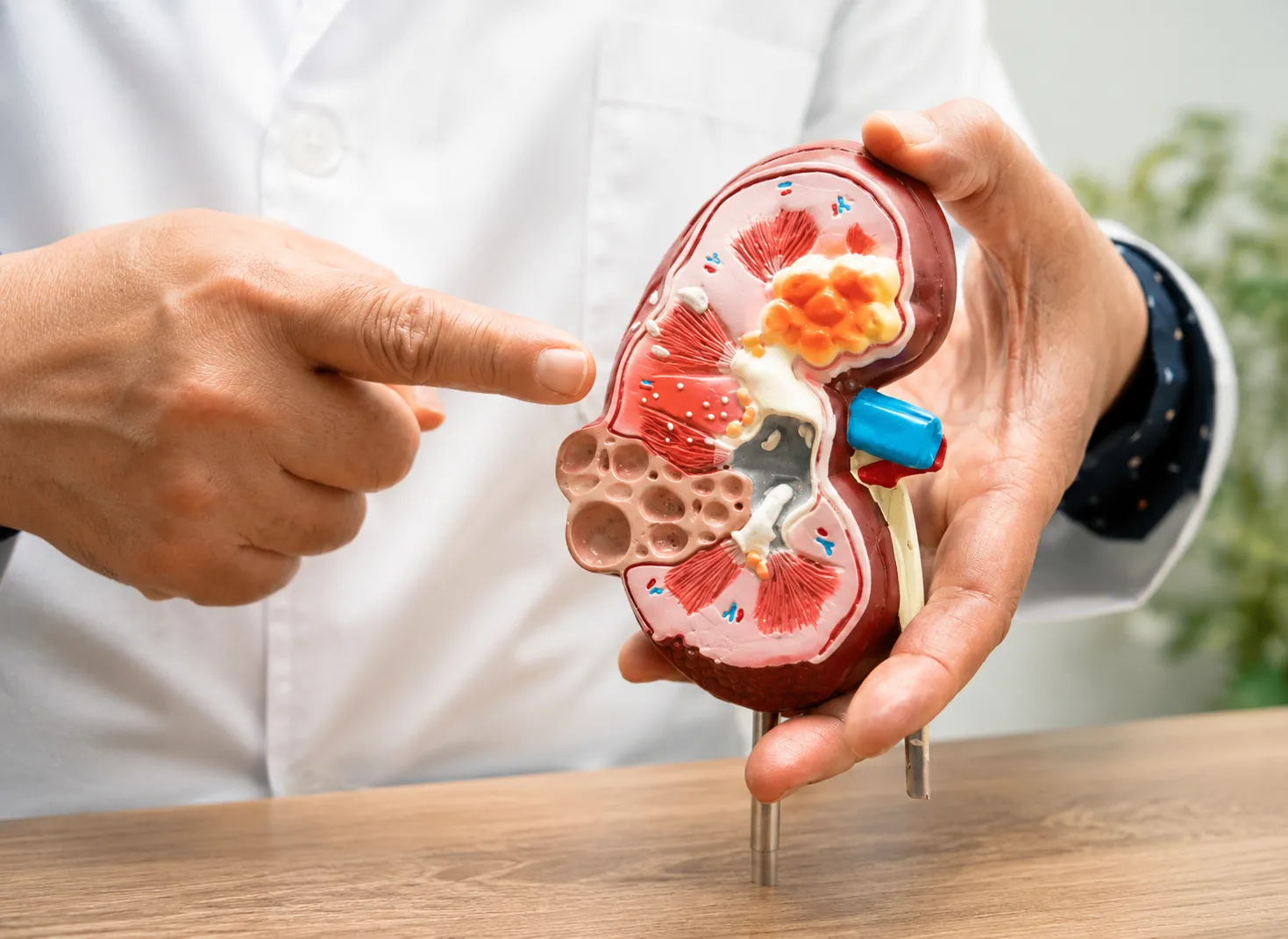
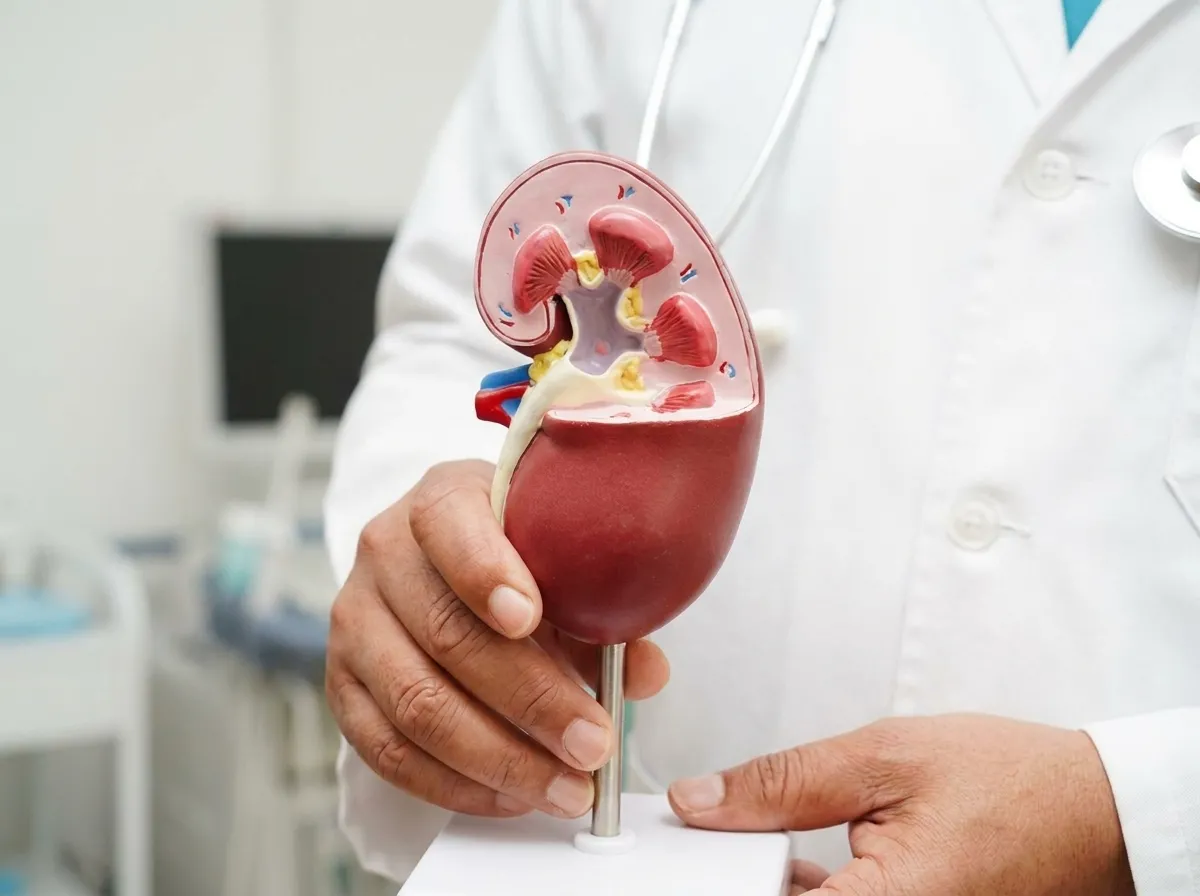

Diabetes and kidney disease are closely connected — but kidney damage does not have to be an inevitable outcome of diabetes.
Many Malaysians living with diabetes focus on their blood sugar, HbA1c, cholesterol or weight. However, there is another part of your health that deserves just as much attention: your kidneys.
Diabetes is one of the major risk factors for chronic kidney disease (CKD). Over time, consistently high blood glucose can damage the tiny blood vessels and filtering structures inside the kidneys. This condition is commonly known as diabetic kidney disease (DKD).
The worrying part?
Diabetic kidney disease can develop quietly.
You may feel completely normal while kidney damage is already beginning. By the time symptoms such as swelling or significant fatigue appear, kidney function may have already declined.
The good news is that early detection and good diabetes management can help reduce the risk of kidney disease progressing.
In this guide, Dietitian90 Consultancy explains the connection between diabetes and kidney disease, the 7 warning signs you should know, the important kidney tests to ask about, and how nutrition can support both blood sugar and kidney health.
What Is Diabetic Kidney Disease?
Diabetic kidney disease is kidney damage associated with diabetes.
Your kidneys contain millions of tiny filtering units called nephrons. These structures filter your blood, remove waste and excess fluid, and help maintain the body’s chemical balance.
Healthy kidneys also help regulate:
- Blood pressure
- Fluid balance
- Electrolytes
- Acid-base balance
- Red blood cell production
- Bone and mineral metabolism
When blood glucose remains high for prolonged periods, the blood vessels within the kidneys can become damaged.
Over time, this can affect the kidneys’ filtering ability.
The progression may look something like:
Diabetes → prolonged high blood sugar → kidney blood vessel damage → albumin leakage → declining kidney function → chronic kidney disease → advanced kidney disease
Not everyone with diabetes will develop kidney disease. However, having diabetes does increase the risk, particularly when blood glucose, blood pressure and other cardiovascular risk factors are not well controlled.
Malaysia’s clinical guidance recognises diabetic kidney disease as an important complication of Type 2 diabetes and recommends assessment of albuminuria and estimated glomerular filtration rate (eGFR).

How Does High Blood Sugar Damage Your Kidneys?
Think of your kidneys as a sophisticated filtration system.
Your blood constantly passes through them so waste products can be removed while useful substances are retained.
When blood glucose remains elevated for long periods, the tiny blood vessels involved in filtration can be exposed to ongoing metabolic stress.
Initially, the kidneys may compensate by working harder.
Eventually, however, damage can develop.
One important early change is the appearance of albumin in the urine.
Albumin is a protein that normally stays in your bloodstream. If the kidney’s filtering barrier becomes damaged, albumin can leak into the urine.
This is why a urine test can sometimes detect kidney problems before you feel anything unusual.
As kidney disease progresses, eGFR may decline, indicating that the kidneys are becoming less efficient at filtering blood.
This is why waiting for symptoms is not a good strategy.

7 Warning Signs of Diabetic Kidney Disease
1. Albumin or Protein in Your Urine
One of the earliest measurable signs of diabetic kidney disease is albuminuria — increased albumin in the urine. You usually cannot see albumin in your urine.
There may be:
- No pain
- No obvious change in urination
- No fatigue
- No swelling
That is why urine testing is so important for people with diabetes.
A commonly used test is the urine albumin-to-creatinine ratio (UACR).
If your doctor tells you that you have elevated albumin in your urine, don’t simply assume it is unrelated to your diabetes. It deserves further assessment.
Malaysia’s Type 2 diabetes clinical guideline specifically recommends screening for albuminuria and assessing kidney function in people with diabetes.
Dietitian90 tip
If you have diabetes, ask your healthcare professional:
“Have my kidney function and urine albumin been checked?”
Don’t rely on how you feel.
2. A Declining eGFR
Another important kidney marker is estimated glomerular filtration rate (eGFR). In simple terms, eGFR provides an estimate of how effectively your kidneys are filtering your blood.
Your doctor may calculate it using your blood creatinine level together with other factors. A lower eGFR can indicate reduced kidney function.
However, one abnormal result does not automatically mean you have chronic kidney disease.
CKD is generally assessed based on abnormalities that persist over time, alongside other clinical information. This is why your healthcare team may monitor your eGFR periodically rather than relying on a single blood test.
Why should people with diabetes pay attention? Because kidney disease can progress gradually without obvious symptoms.
Tracking your kidney function gives your healthcare team an opportunity to identify changes earlier and address modifiable risk factors.
3. High Blood Pressure
High blood pressure and kidney disease have a complicated relationship.
Diabetes can increase your risk of kidney damage. Kidney disease can contribute to high blood pressure. And high blood pressure can further damage the kidneys.
This can create a cycle:
Diabetes → kidney damage → high blood pressure → further kidney damage
That is why managing blood pressure is not simply about protecting your heart. It is also part of kidney protection.
If you have diabetes and consistently elevated blood pressure readings, discuss this with your doctor rather than assuming it is just stress or age.
4. Swelling in Your Legs, Ankles or Feet
Swelling, also called oedema, can occur when the body retains excess fluid.
You may notice:
- Swollen ankles
- Puffy feet
- Tight shoes
- Socks leaving deeper marks around your ankles
- Swelling that becomes more noticeable later in the day
However, swelling is not specific to kidney disease.
It can have many causes, including heart, liver, medication and other medical conditions.
So if you experience persistent or unexplained swelling, it is important to get properly assessed rather than assuming it is caused by diabetes.
5. Unusual Fatigue or Weakness
Feeling tired after a long workday is normal. But persistent or unexplained fatigue may deserve attention, particularly when it occurs alongside other changes in your health.
As kidney function becomes significantly impaired, waste products can accumulate and other physiological changes can occur, potentially contributing to:
- Fatigue
- Weakness
- Reduced appetite
- Difficulty concentrating
However, fatigue is also extremely common and can result from many other conditions, including poorly controlled diabetes, sleep problems, anaemia, stress and nutritional issues.
So don’t use fatigue alone to diagnose kidney disease. Instead, consider it a reason to investigate further when it occurs with other warning signs or abnormal test results.
6. Changes in Urination
Some people with kidney problems notice changes in their urination.
These can include:
- Urinating more frequently
- Urinating at night
- Changes in urine appearance
- Foamy or frothy urine
- Changes in urine volume
However, there is an important distinction.
Frequent urination can also occur because of high blood glucose.
When blood glucose becomes very high, the kidneys excrete more glucose into the urine, which can pull additional water with it and increase urination.
Therefore, frequent urination does not automatically mean kidney failure. It should be considered alongside your blood glucose levels, urine tests and overall clinical picture.
7. Loss of Appetite, Nausea or Feeling Unwell
In more advanced kidney disease, the accumulation of waste products can contribute to symptoms such as:
- Poor appetite
- Nausea
- Vomiting
- Metallic taste
- Persistent itching
- General weakness
These are not early warning signs in most cases. If someone waits until these symptoms develop before checking their kidney health, they may have missed an opportunity for earlier intervention.
That’s why regular monitoring is much more useful than waiting for symptoms.
The Most Important Point: Kidney Disease Can Be Silent
This is perhaps the biggest message Malaysians with diabetes should remember:
You can have diabetic kidney disease without feeling sick.
That is why kidney screening matters.
Someone can have: Normal-looking urine + no swelling + no pain + normal daily activities and still have abnormalities detected through blood or urine tests.
This is particularly important because early kidney disease may be much easier to manage than advanced kidney disease.
Can You Prevent or Slow Diabetic Kidney Disease?
In many cases, there are important steps that can help reduce the risk of kidney disease developing or progressing.
These include managing:
Blood glucose
Keeping blood glucose within your individual target range reduces prolonged exposure to high glucose.
Blood pressure
Good blood pressure control is an important part of protecting kidney health.
Sodium intake
A high-sodium diet can contribute to elevated blood pressure and fluid-related problems.
Body weight
If you have excess body weight, gradual and sustainable weight management may improve metabolic health.
Physical activity
Regular physical activity supports insulin sensitivity, cardiovascular health and overall metabolic function.
Smoking
If you smoke, getting support to quit is an important part of reducing cardiovascular and kidney risk.

What Should You Eat If You Have Diabetes and Are Worried About Your Kidneys?
This is where professional nutrition guidance becomes particularly important.
One of the biggest misconceptions is:
“If I have diabetes, I just need a low-sugar diet.”
And another is:
“If I have kidney disease, I must avoid all protein, fruits and vegetables.”
Neither is a good universal rule.
Your nutritional requirements can change depending on:
- Kidney function
- UACR
- Blood potassium
- Phosphorus levels
- Blood pressure
- Diabetes control
- Medication
- Body weight
- Nutritional status
- CKD stage
For example, a person with early CKD may have very different dietary requirements from someone with advanced CKD. Similarly, not every person with CKD automatically needs to restrict potassium or phosphorus.
This is precisely why copying a random “kidney diet plan” from the internet can be inappropriate. Current international CKD guidance emphasises individualised care, and Malaysia’s clinical guidance also recognises the importance of assessing kidney function and albuminuria in people with diabetes.
Malaysian Foods: Where Should You Start?
You don’t necessarily need to stop eating Malaysian food. Instead, your dietitian may help you modify the:
Portion
For example, adjusting the amount of rice, noodles or other carbohydrate-rich foods.
Cooking method
Choosing steamed, grilled or less heavily processed options more often.
Sodium
Being mindful of:
- Soy sauce
- Salt
- Stock cubes
- Processed foods
- Sauces
- Pickled foods
- Instant noodles
Sugar
Reducing frequent intake of:
- Teh tarik
- Teh ais
- Kopi susu
- Sweetened beverages
- Desserts
- Sweet sauces
Protein
Choosing an appropriate amount and type based on your individual kidney health and nutritional requirements.
The goal isn’t:
“Stop eating everything you love.”
It is:
“Learn how to eat your familiar foods in a way that better supports your health.”
5 Things You Can Do Today to Protect Your Kidneys
If you have diabetes, start with these five practical steps:
1. Know Your HbA1c
Don’t manage diabetes based only on how you feel.
2. Ask About Your eGFR
Find out whether your kidney filtration function has been assessed.
3. Ask About Urine Albumin
A urine test can identify kidney changes that you may not feel.
4. Check Your Blood Pressure
Don’t overlook hypertension just because your blood sugar appears controlled.
5. Review Your Diet
If you have diabetes plus abnormal kidney results, consider getting personalised nutrition advice rather than following a generic online diet.
When Should You Speak to a Healthcare Professional?
Don’t wait for severe symptoms.
Speak with your doctor if you have diabetes and:
- Have abnormal eGFR results
- Have albumin/protein detected in urine
- Have persistent high blood pressure
- Develop unexplained swelling
- Notice significant changes in urination
- Experience persistent fatigue or poor appetite
- Are told that your kidney function is declining
And if your doctor has already identified kidney disease, don’t make major dietary restrictions on your own.
For example, suddenly eliminating protein, fruit, vegetables or whole food groups without knowing your kidney stage and laboratory results may create unnecessary nutritional problems.

How Dietitian90 Consultancy Can Help
Managing diabetes is not simply about removing sugar from your diet. And managing kidney disease is not simply about following a generic “kidney food list”.
When diabetes and kidney concerns occur together, your nutritional needs can become more complex.
At Dietitian90 Consultancy, personalised nutrition guidance can help you understand how your current eating habits may affect:
- Blood glucose
- HbA1c
- Blood pressure
- Kidney health
- Body weight
- Overall metabolic health
Dietitian90’s approach is built around personalised diet counselling rather than asking you to completely abandon the foods and lifestyle you are familiar with. The consultancy is based in Penang and also provides online counselling for clients elsewhere in Malaysia.
If you have diabetes, abnormal kidney test results, or are concerned about your future kidney health, speak to a qualified healthcare professional or dietitian for advice tailored to your condition.
Protect your kidneys before problems become harder to manage.
Book a personalised consultation with Dietitian90 Consultancy and take the next step towards better diabetes and kidney health.